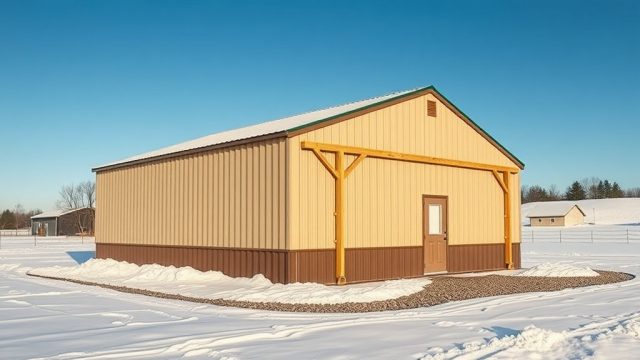
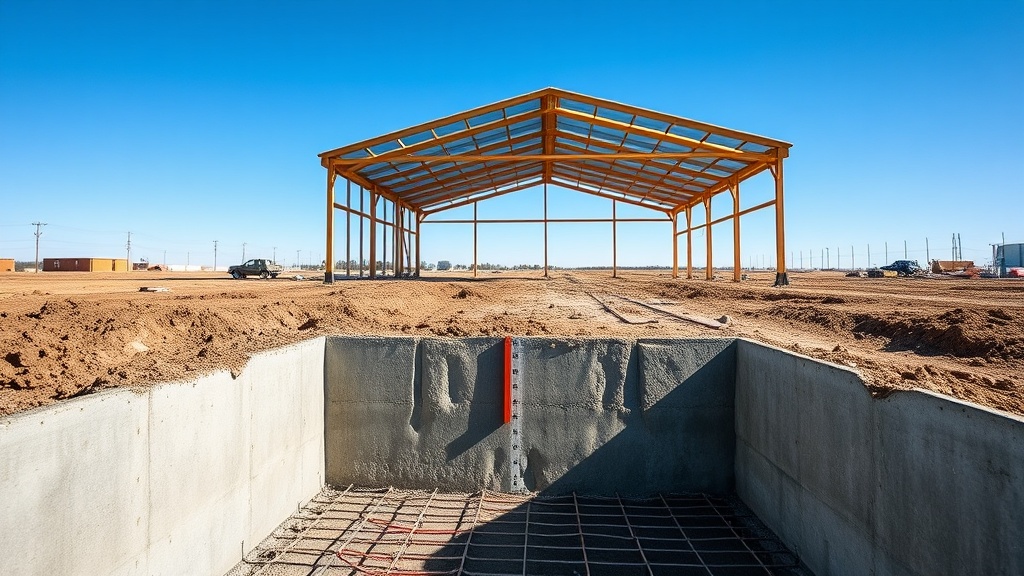
When investing in a Morton Buildings 50×80, the foundation is literally the bedrock of the entire structure. Getting the concrete footing depth wrong can lead to frost heave, wall movement, or even structural failure over time. This article will walk you through the recommended footing depth, local code considerations, and practical advice straight from Morton builders and experienced owners.
What Is the Recommended Concrete Footing Depth for a Morton Buildings 50×80?
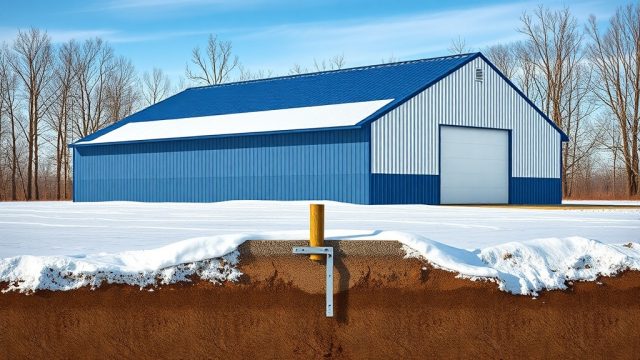
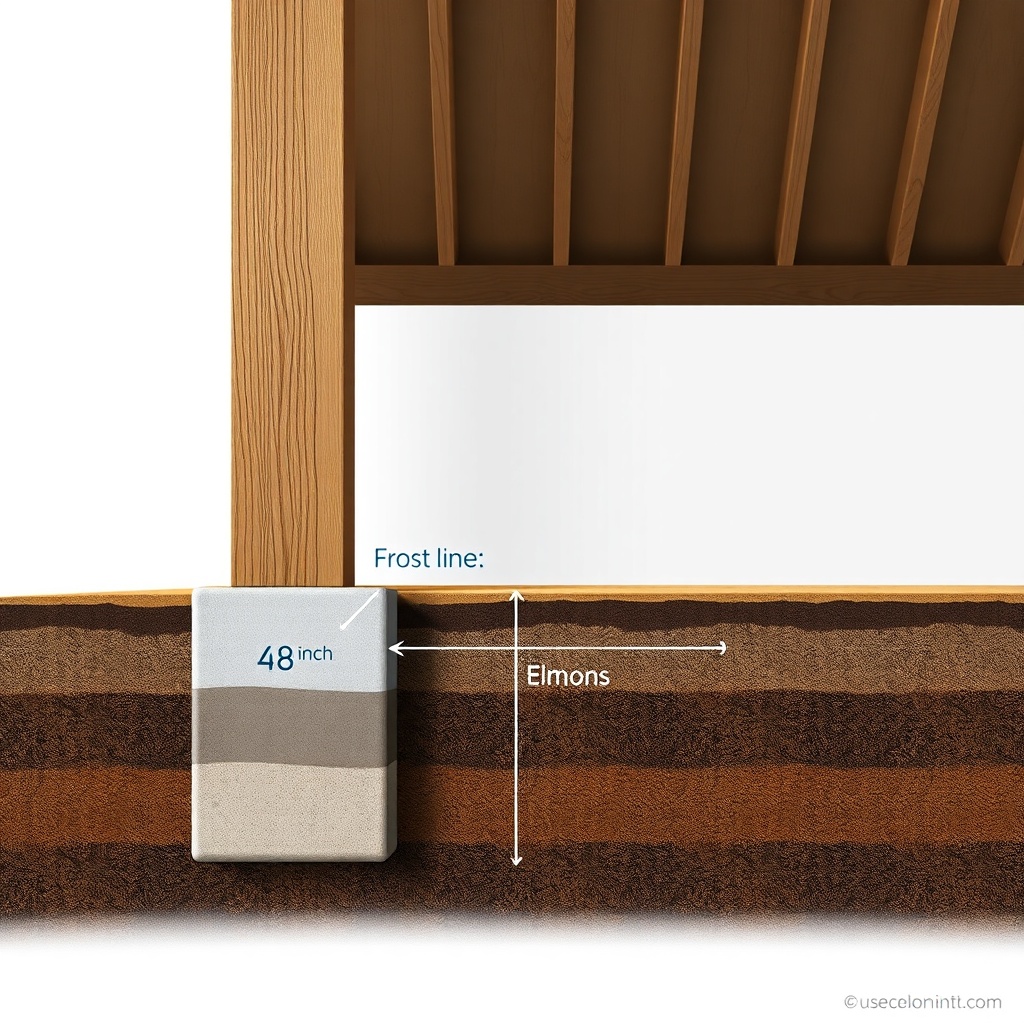
For a standard Morton Buildings 50×80 pole barn, the most common recommendation from Morton’s engineering department is a concrete footing depth of at least 48 inches below finished grade. This depth is based on the frost line in most northern U.S. states where Morton operates. In areas with shallower frost lines—like the southern parts of the Midwest—a depth of 36 inches may suffice, but 48 inches is the conservative benchmark they specify in their standard plans.
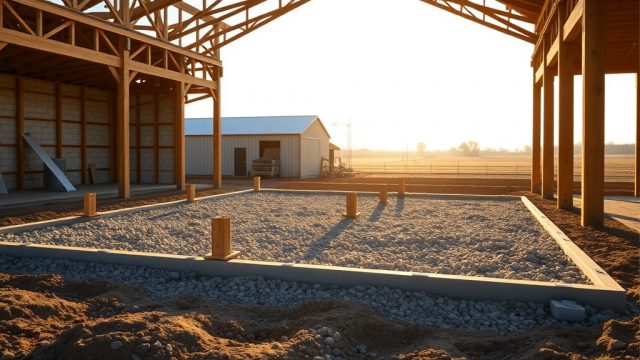
The actual footing itself is typically a thickened pad, often 24 inches wide and 12 inches thick, poured around an embedded column or a precast concrete pier. For the 50×80 footprint, which spans 4,000 square feet, that means roughly 20 to 24 columns, each requiring a footing that reaches below the frost line. It’s not just depth; the footing must also have adequate bearing capacity, which Morton’s engineers calculate based on soil type and local codes.
If you’re in a zone with deep frost—like Minnesota or Wisconsin—you might see recommendations as deep as 60 inches. Always verify with your local building department, but starting with 48 inches is a solid baseline.
How Does Frost Line Affect Foundation Footing Depth for a 50×80?
The frost line—the depth at which the ground freezes during winter—is the single biggest factor in footing depth for any pole barn, including the Morton 50×80. If your footing sits above the frost line, the freeze-thaw cycle can lift the column, causing wall misalignment, door binding, or roof sag. Morton’s standard guidance is to pour footings 12 inches below the maximum frost line recorded in your area. For example, if your local frost line is 36 inches, they’ll recommend 48 inches.
Morton’s 50×80 plans often include a frost protection note that instructs contractors to check with the local building official for the exact depth. In some regions, they’ll also specify a reinforced footing with #4 rebar on 12-inch centers to resist frost heave forces. For owners in borderline zones (where the frost line is variable), adding an extra 6 inches of depth is a cheap insurance policy against future repairs.
Don’t rely solely on generic maps from the internet. Your local building department’s frost line data takes precedence, and Morton’s field representatives will often verify this before pouring.
What Are the Specs for Morton’s Standard 50×80 Footing?
Morton Buildings uses a semi-standardized footing design for their 50×80 pole barns, though customizations are common. Here are the typical specs from their engineering packets:
| Component | Specification |
|---|---|
| Footing depth (below grade) | 48 inches (min.) |
| Footing width | 24 inches |
| Footing thickness | 12 inches |
| Concrete strength | 3,500 psi (4,000 psi for heavy loads) |
| Rebar | #4 grade 60, 12-inch grid (two layers) |
| Column embedment | 4-6 inches into footing |
| Pier diameter (if used) | 10-12 inches |
These specs apply to the standard “Morton 50×80” with a 14-foot sidewall and a roof load of 30 psf snow load. If you upgrade to heavier roof panels or higher snow loads, the footing size may increase. Always request the engineered foundation plan from your Morton dealer before breaking ground.
Should You Use a Slab-on-Grade or Pier-and-Footing for Your Morton 50×80?
This is one of the most debated questions among owners. Morton Buildings typically delivers their 50×80 as a post-frame structure with columns set on individual footings—essentially a pier-and-footing system. However, many owners choose to add a slab-on-grade inside the building later. The decision comes down to use case and cost.
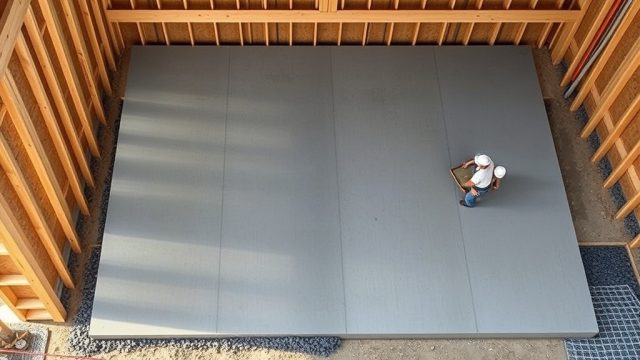
A pier-and-footing system (the Morton standard) is more tolerant of frost heave because each column is independently anchored. It’s also cheaper upfront—expect to pay around $4,000 to $6,000 for the footings on a 50×80, excluding the slab. In contrast, a slab-on-grade requires a 4-inch concrete floor (plus vapor barrier and reinforcement) that can add $8,000 to $12,000 to the project. But slabs offer a smoother, easier-to-clean surface for workshops, garages, or horse stalls.
Morton offers an “insulated slab” option for their pole barns, which integrates insulation under the slab with the footing perimeter. This is a good middle ground if you plan to heat the building. For unheated storage, the standard pier-and-footing with a gravel floor is perfectly adequate.
If you’re considering adding a slab later, plan for it now by having the footings poured 4-6 inches higher than grade, so the slab can tie in without compromising the column embedment.
How Soil Type Changes Footing Depth for Morton 50×80
Not all soil is equal, and Morton’s engineers adjust footing depth based on soil bearing capacity. For a 50×80, the typical soil pressure requirement is 1,500 to 2,000 psf (pounds per square foot). If you have clay soil, which expands and contracts with moisture, Morton may recommend wider footings (up to 30 inches) or deeper piers to reach stable strata. Sandy or gravelly soil typically has better drainage and bearing, allowing standard depths.
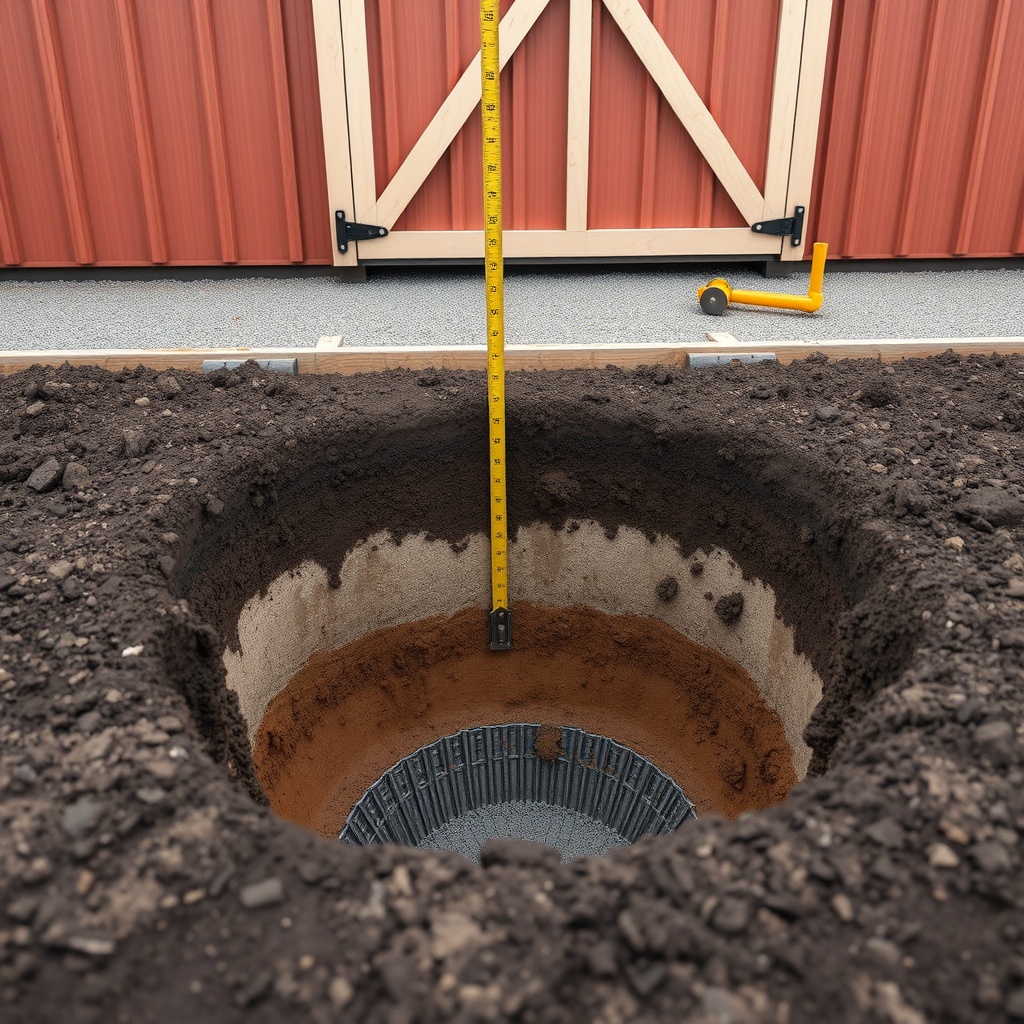
During the site prep, a geotechnical soil test is highly recommended. Morton’s dealers often require one before finalizing the foundation plan. The test will tell you the soil type, compaction, and any special considerations like high water tables. In areas with organic topsoil or fill dirt, footings may need to go 60 inches deep to hit undisturbed soil.
One owner in Texas reported that their local code required 18-inch-deep footings because the frost line is only 6 inches, but Morton’s standard plans still called for 48 inches. The Morton rep explained that the extra depth was for uplift resistance in high winds, not frost. Always follow the engineered plan, not just code minimums.
What Owners Say: Real Feedback on Morton 50×80 Foundations
Owners of Morton 50×80 pole barns frequently praise the foundation’s durability. One owner in Ohio noted that after 15 years, their building showed no signs of frost heave, even during a particularly severe winter with 50 inches of snow. Another in Indiana mentioned that the 48-inch depth gave them peace of mind when they added a concrete floor later.
However, some owners warn about drainage. If water pools near the footings, it can freeze and push against the columns. One owner in Wisconsin had to install perimeter drain tile after noticing slight tilting in the doors. Their advice: make sure the finish grade slopes away from the building at least 6 inches over 10 feet.
Overall, the consensus is that Morton’s standard footing depth is well-engineered, but owners who skip soil tests or ignore local frost lines run into problems. Most issues come from improper backfill around columns or inadequate drainage, not the footing depth itself.
Frequently Asked Questions About Morton 50×80 Foundation Footing Depth
1. Can I use a 36-inch deep footing for my Morton 50×80 in a warm climate?
In areas with a frost line of 24 inches or less (like parts of the Carolinas, Georgia, or Texas), a 36-inch deep footing may be acceptable if approved by Morton’s engineering and your local code. Always get written approval from your Morton dealer.
2. Do I need rebar in the footings for a 50×80 pole barn?
Yes, Morton’s standard plans require #4 rebar on a 12-inch grid, two layers, for all footings. This prevents cracking from freeze-thaw and soil movement.
3. How much does the foundation for a Morton 50×80 cost?
The footings alone typically cost between $4,000 and $8,000 depending on soil conditions, depth, and local labor rates. A complete slab added on top can push the total to between $12,000 and $20,000.
4. Is it cheaper to pour the footings myself or hire a contractor?
Pouring footings yourself can save about 30-40% on labor, but you must follow Morton’s engineered plans to the letter. Mistakes in depth or rebar placement can void the warranty. Most owners recommend hiring a foundation contractor experienced with post-frame buildings.
5. Do I need a vapor barrier under the slab for a 50×80 Morton building?
Yes, if you pour a concrete slab, Morton recommends a 6-mil poly vapor barrier underneath to prevent moisture wicking. This is especially important if you plan to store machinery or grain.
6. How long does the footing concrete take to cure before raising the building?
Morton advises allowing at least 7 days for concrete to reach 70% of its design strength before setting the columns. Full cure takes 28 days. In cold weather, use accelerators or insulated blankets to speed up the process.