Wick Buildings 40×60: Choosing Between Single-Slide and Bi-Fold Doors
When planning a Wick Buildings 40×60 structure, the choice of door system can significantly impact daily operations, energy efficiency, and long-term satisfaction. Property owners in the U.S. and Canada must weigh the merits of single-slide doors against bi-fold doors, each offering distinct advantages for different applications. This article provides a detailed comparison of these two popular door types, helping you make an informed decision for your pole barn project.
What Are the Key Differences Between Single-Slide and Bi-Fold Doors for a Wick Buildings 40×60?
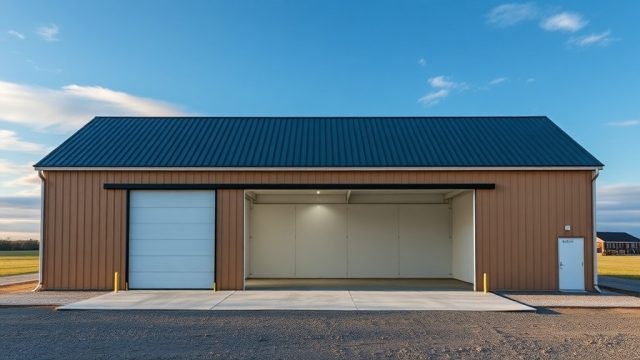
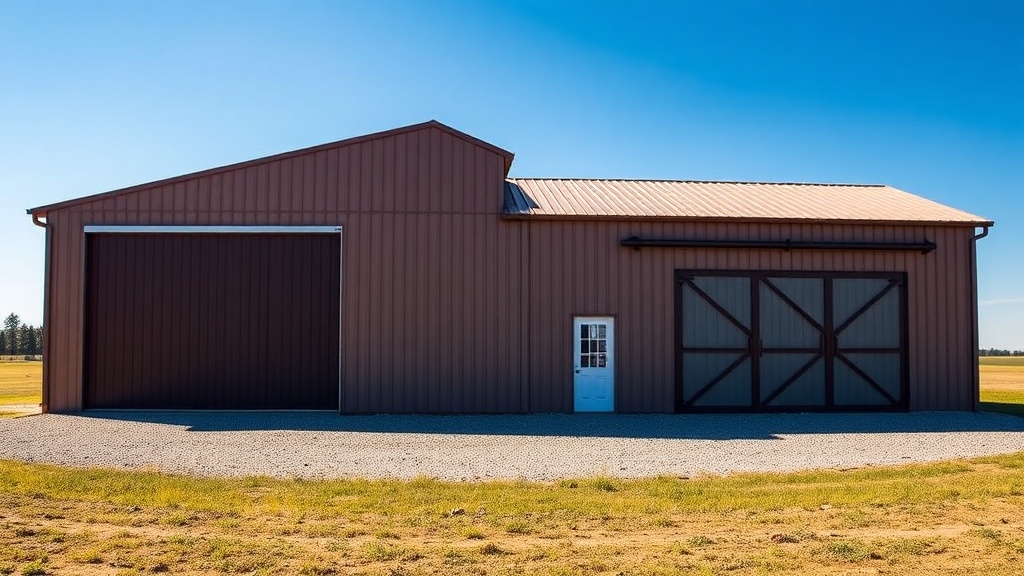
Single-slide doors, also known as sliding doors, operate by moving horizontally along a track system, typically requiring about 10-15 feet of clearance space on the side opposite the opening. They are a traditional choice for agricultural and storage buildings, offering simple operation and lower initial costs. Bi-fold doors, conversely, fold into multiple sections that compress vertically or horizontally, requiring less clearance but a more robust mounting system. For a Wick Buildings 40×60, which spans 2,400 square feet, the choice often hinges on intended use—whether heavy machinery access or frequent entry for smaller equipment.
Single-slide doors are generally less expensive, with installed costs ranging from $3,500 to $5,500 for a 12×12 opening, depending on insulation and material weight. Bi-fold doors, engineered for high-cycle usage and tight seals, typically cost $6,000 to $9,000 for the same size. The extra investment in bi-fold doors often pays off in reduced heat loss and enhanced durability, particularly in climates with extreme cold or wind. For additional guidance on foundation preparation that supports these heavy doors, review Wick Buildings 40×60 Foundation: Frost Protection Methods for Cold Climates.
How Do Installation Requirements Differ for These Door Systems?
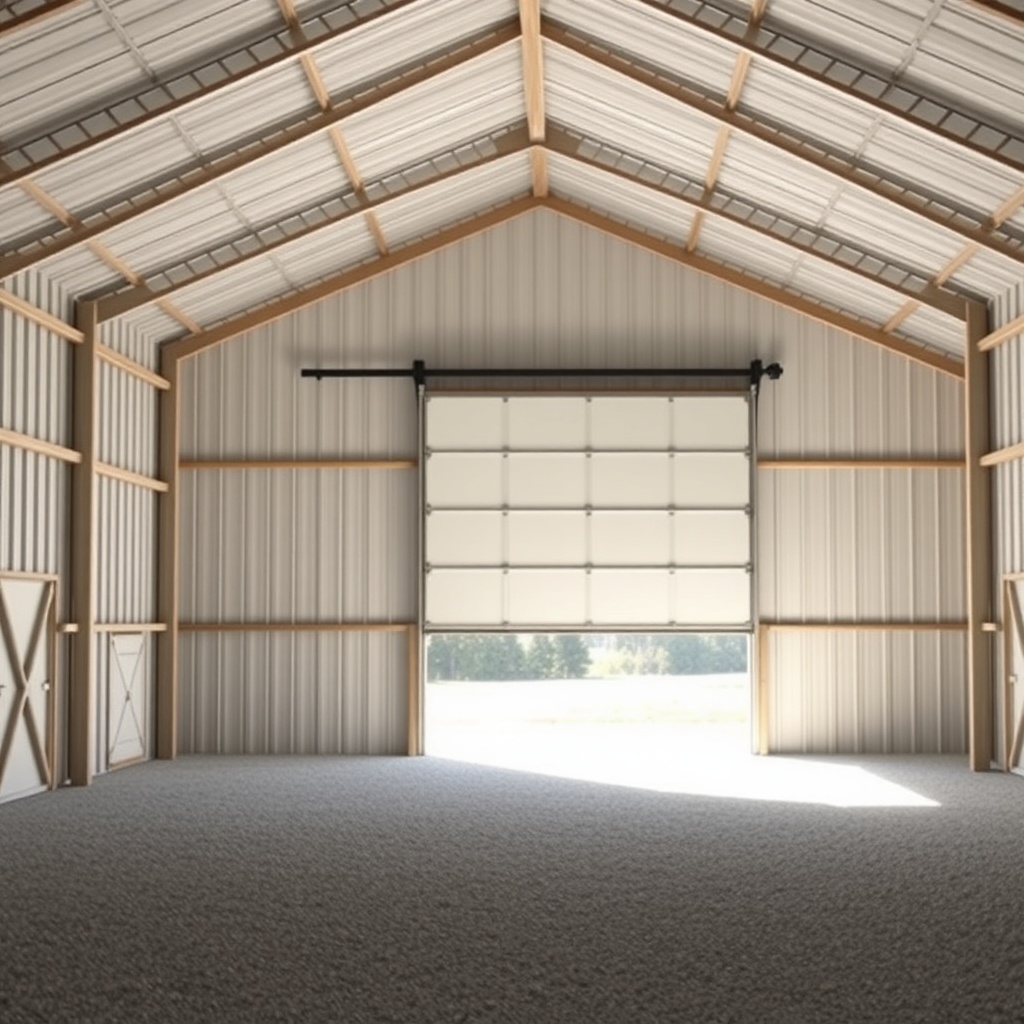
Single-slide doors require a clear, level track system mounted along the sidewall, demanding precise header framing to support the door’s weight. For a Wick Buildings 40×60, the track length must exceed the door width by at least 2 feet to accommodate the door in the open position, reducing available wall space. Installation labor typically takes 4-6 hours for a professional crew, with costs around $800–$1,200 for the mounting hardware and track.
Bi-fold doors require reinforced headers and side columns to handle the compressive forces of the folding mechanism. They also need a power source for the electric motor and counterbalance system, adding $500–$700 for wiring and controls. Installation time is longer, usually 6-8 hours, due to precise alignment of multiple panels. Both systems should be integrated during initial construction, especially if in-wall conduit is planned. For more on electrical preparation, refer to Wick Buildings 40×60: Running Conduit for Electrical Wiring During Construction.
What Are the Operational Advantages for Agricultural vs. Workshop Use?
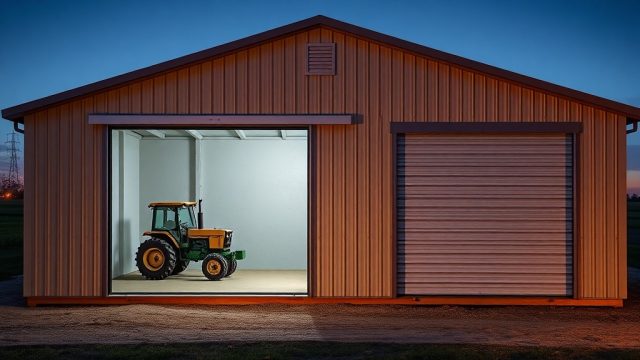
For agricultural applications, single-slide doors offer simplicity. Farmers often prefer them for hay storage or livestock areas because they can be manually operated without power, a critical factor during outages. A standard 12×12 single-slide door weighs about 400 pounds and can be opened by one person with moderate effort. However, in a workshop or garage setting, bi-fold doors provide superior sealing against dust and drafts. They open vertically, eliminating wind load issues common with sliding doors in high-wind zones.
Case in point: A Wick Buildings 40×60 used as a woodworking shop benefits from bi-fold doors because they maintain cleaner air quality and reduce energy loss by up to 30% compared to sliding doors with weatherstripping gaps. Costs for an insulated bi-fold door (R-12 rating) add about $1,500 to the base price, but this can pay back within 2-3 years through reduced heating bills in colder climates. For hot climates, consider the insulating strategies discussed in Wick Buildings 40×60: Radiant Barrier vs Reflective Insulation for Hot Climates.
How Do Door Sizes and Configurations Affect the Wick Buildings 40×60?
The 40×60 footprint accommodates various door widths, from 10 feet to 16 feet, and heights up to 14 feet. Single-slide doors are available in standard increments, with custom sizes adding 15-20% to the cost. Bi-fold doors can be manufactured to nearly any dimension, with 12×12 and 14×14 being common for the model. Below is a comparison table of typical costs and specifications for each option:
| Specification | Single-Slide Door | Bi-Fold Door |
|---|---|---|
| Typical Opening (WxH) | 12×12 feet | 12×12 feet |
| Installed Cost (USD) | $4,200–$5,500 | $7,500–$9,000 |
| Weight (pounds) | 400–600 | 600–900 |
| Insulation Value (R-value) | R-4 (basic) to R-10 | R-8 (standard) to R-14 |
| Clearance Required | 14 feet sidewall space | 0 feet sidewall space |
| Automation Support | Optional, $600–$900 | Standard, included |
| Typical Application | Hay storage, animal shelter | Workshop, vehicle garage |
If you need a 14-foot-wide opening for recreational vehicles or combines, bi-fold doors offer better structural integrity without compromising wall space. For tighter budgets, single-slide doors remain reliable for standard equipment access. The overall building design, including post spacing, can influence maximum door size—check with your contractor during planning.
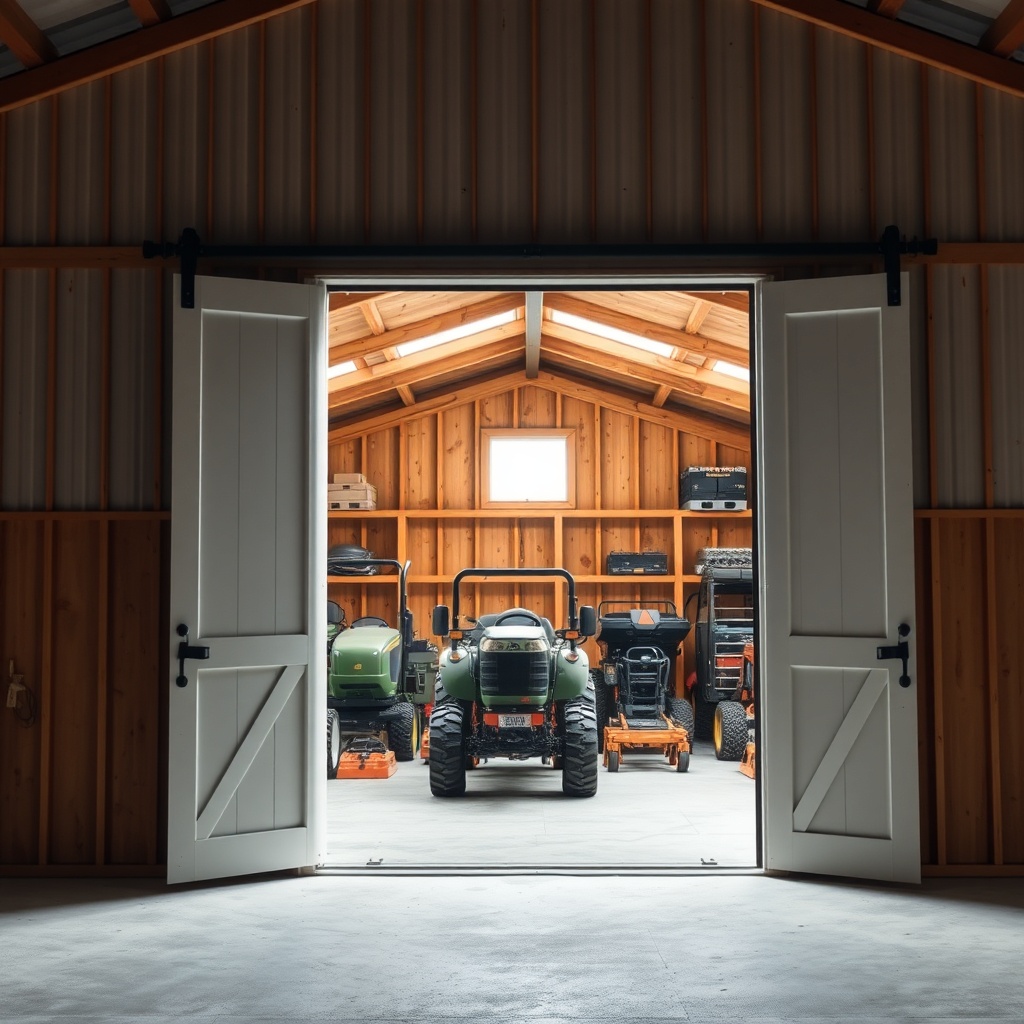
Which Door System Offers Better Energy Efficiency and Weather Seal?
Bi-fold doors excel in energy efficiency due to their compression gasket system that seals all four sides when closed. This design minimizes air infiltration, which is crucial for conditioned spaces. A single-slide door typically has gaps along the top and bottom tracks, leading to thermal breaks. In a Wick Buildings 40×60 located in Minnesota or Wisconsin, this can mean annual heating cost differences of $200–$400, assuming a 40-degree temperature differential. The bi-fold’s multi-panel construction also allows for higher insulation values, up to R-14 with foam core panels.
Single-slide doors can be upgraded with vinyl weatherstripping and insulated panels, but they still allow more leakage. For workshops storing temperature-sensitive tools or flammable materials, the bi-fold’s tighter design reduces condensation risk. For high-humidity areas, consider pairing the door with reflective insulation, as explored in Wick Buildings 40×60: Radiant Barrier vs Reflective Insulation for Hot Climates. The structural integrity of the building itself also affects energy performance; compare building methods in Wick Buildings 40×60: Post Frame Construction vs Stick Built Which Is Better?.
What Owners Say About Their Experiences
Owner testimonials reveal practical insights. Mark from Ohio installed a 12×12 single-slide door on his Wick Buildings 40×60 used for tractor storage. “It goes up and down smoothly, even in subzero temps. I spent $4,300 total, and it’s held up for five years. The only downside is I sometimes have to shovel snow away from the track.” Another owner, Lisa in North Carolina, chose a 14×14 bi-fold door for her automotive workshop. “The electric opener is fantastic. The seal is so tight that my workshop stays 55 degrees in winter without a heater. It cost $8,200 but saves me in energy bills.”
Common praise for single-slide doors includes ease of maintenance and lower upfront costs. Bi-fold door owners often highlight improved security and reduced noise. One caution shared by multiple users: ensure the track and hinges are grease-rated for extreme cold or hot climates. Proper installation is critical—misalignment can cause jamming, especially with heavy bi-fold doors. Many recommend professional installation for bi-fold systems, while single-slide doors can be a DIY project for experienced builders. For electrical integration, consult Wick Buildings 40×60: Running Conduit for Electrical Wiring During Construction.
Frequently Asked Questions
1. Can I install a single-slide door on a Wick Buildings 40×60 after construction?
Yes, but it is easier during initial build. Retrofit installation requires reinforcing the header and track system, adding about $800–$1,200 in modifications.
2. How long do bi-fold doors typically last?
With proper maintenance, bi-fold doors for this model can last 15–20 years. Regular lubrication of hinges and tracks extends lifespan, as does avoiding overloading the mechanism.
3. Which door type is better for snow-prone areas?
Bi-fold doors perform better because they open vertically, preventing snow buildup on the track. Single-slide doors may need frequent snow removal from the track base.
4. Can I automate a single-slide door?
Yes, a motorized opener kit costs $600–$900 and works with most models. Ensure the door weight does not exceed the opener’s capacity, which is typically 500–700 pounds.
5. Do these doors affect the building’s structural warranty?
Wick Buildings may require specific door installations to maintain warranty coverage. Always check with the manufacturer or dealer before purchasing a third-party door system.
6. What is the average delivery time for either door type?
Single-slide doors are often in stock and ship within 1–2 weeks. Bi-fold doors are custom-fabricated and take 3–4 weeks for production and delivery to your site.
For more insights on your Wick Buildings 40×60 project, explore our comparative guide on construction methods: Wick Buildings 40×60: Post Frame Construction vs Stick Built Which Is Better?.