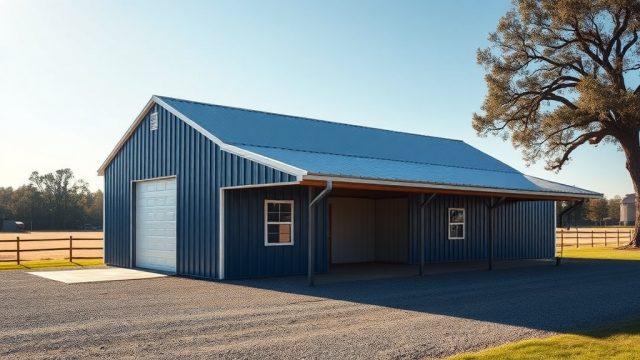
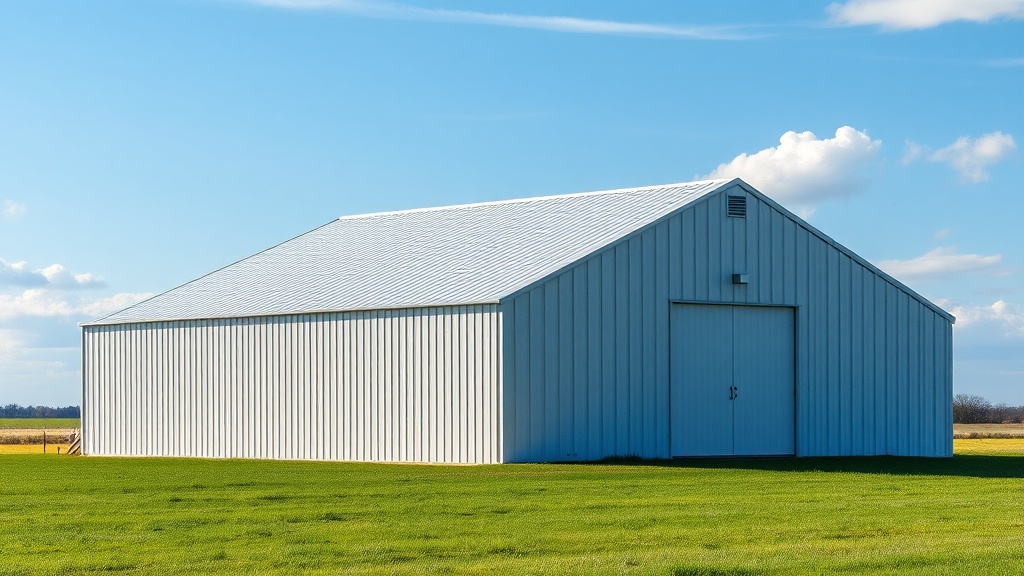
Morton 50×80: Standing Seam vs Corrugated Roofing Which Is Better?
For anyone investing in a Morton Buildings 50×80, the roof is more than a cover—it’s a long-term asset. Choosing between standing seam and corrugated steel roofing is one of the most critical decisions you’ll make, affecting cost, durability, and maintenance for decades. This guide provides a practical, experienced comparison tailored to the 50×80 footprint, covering real-world performance, install specifics, and owner insights.
What’s the Core Difference Between Standing Seam and Corrugated for a Morton 50×80?
The fundamental difference lies in the panel profile and fastening system. Standing seam panels feature raised interlocking seams (usually 1.5 to 2 inches high) that run vertically, with hidden clips attaching them to the purlins. Corrugated, often called “7.2” or “R-panel,” has a wavy profile and uses exposed screws through the panel’s tops. For a 50×80 building, the size exaggerates these differences.
On a 50×80, the roof area is roughly 4,000 square feet (including overhangs). With corrugated, you’ll have hundreds of exposed fasteners—each a potential leak point over time due to thermal expansion and gasket wear. Standing seam eliminates exposed fasteners entirely, making it the superior choice for low-slope metal roofs typical of pole barns. However, standing seam requires a higher skill level for installation and specific flashing details at ridges and eaves, which Morton installers handle well.
Choosing the right material also influences how you handle other parts of the building. For instance, the roof panel gauge directly affects stiffness and longevity—see the detailed guide on Morton Buildings 50×80: What Steel Gauge for Roof Panels? for gauge-specific advice.
How Does Installation Complexity Differ for a 50×80 Footprint?
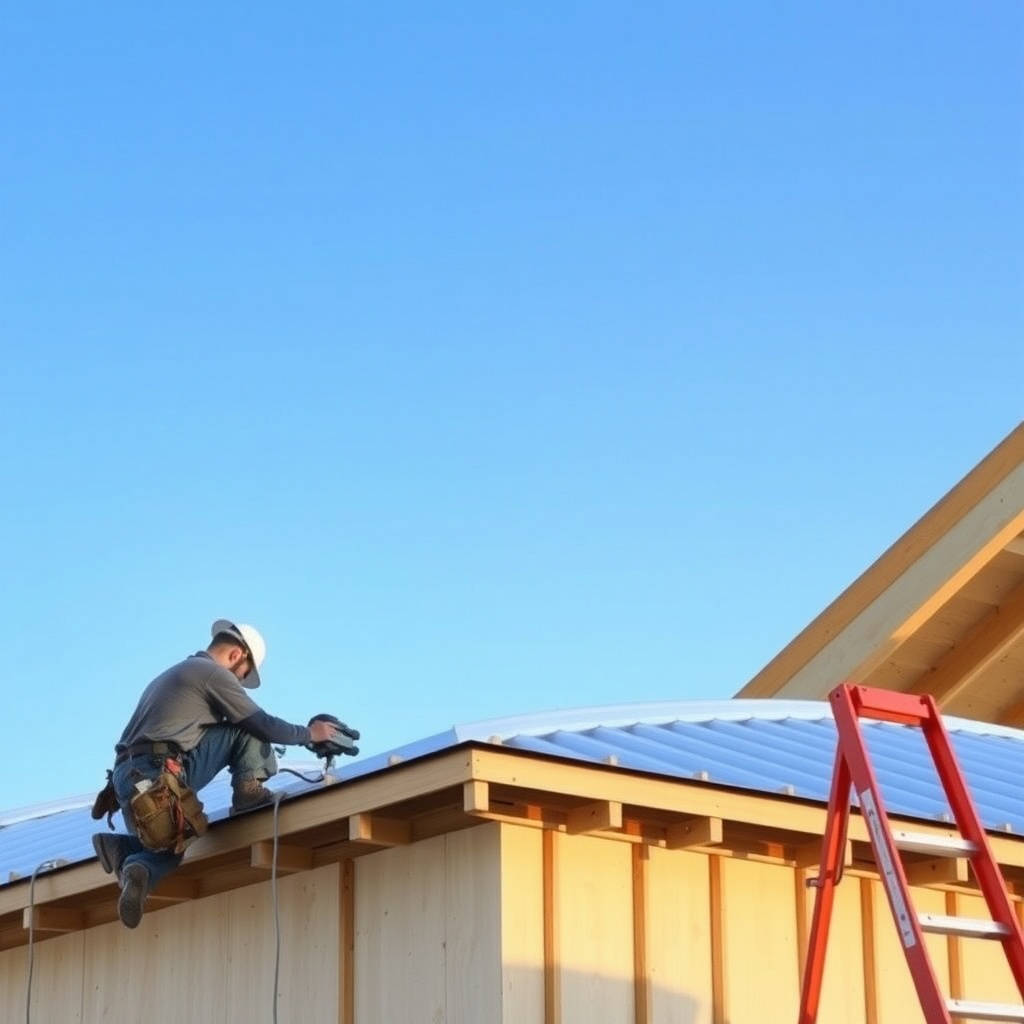
Installing a roof on a 50×80 requires careful planning for panel lengths and handling. Standard panel lengths for a 50×80 (assuming a 4:12 or 5:12 pitch) range from 30 to 40 feet. Corrugated panels are easier to cut on-site with a shear or nibbler, and they’re lighter per square foot (typically 26 or 29 gauge). Standing seam panels are often custom-roll-formed to length, which reduces on-site splicing but requires precise measurement and a good crane or boom truck for lifting.
Key installation considerations:
- Standing seam: Hidden clips must be aligned perfectly; seaming tools (manual or powered) are needed to crimp the seams. Edge flashings are more complex.
- Corrugated: Faster to install for a skilled crew, but screw placement must be precise to avoid oil-canning. More waste on a 50×80 due to panel overlap and end laps.
Morton’s factory-trained crews are proficient with both systems, but standing seam typically adds 1-2 days to the install timeline on a 50×80. This is a small price for the long-term benefit if you live in a high-snow or high-wind area. For foundation considerations that affect roof load distribution, refer to Morton 50×80 Foundation: Recommended Concrete Footing Depth.
How Do Costs Compare for a Morton Buildings 50×80?
Cost is a major factor. For a 50×80, the roofing material and labor can vary by $3,000 to $6,000 or more. Here’s a rough breakdown based on current market rates (mid-2025) in USD:
| Cost Component | Standing Seam (per sq. ft.) | Corrugated (per sq. ft.) |
|---|---|---|
| Material (panel, clips, fasteners) | $2.50 – $3.50 | $1.50 – $2.20 |
| Underlayment (felt or synthetic) | $0.30 – $0.60 (same for both) | $0.30 – $0.60 |
| Labor (Morton crew) | $2.00 – $3.00 | $1.50 – $2.00 |
| Trim, flashing, ridge caps | $0.50 – $1.00 (more complex) | $0.30 – $0.60 |
| Total per sq. ft. | $5.30 – $8.10 | $3.60 – $5.40 |
For the full 4,000 sq. ft. roof, expect a total range of $14,400 to $32,400 for standing seam, versus $14,400 to $21,600 for corrugated. Standing seam’s premium comes from material and added labor. However, factor in long-term savings: corrugated roofs may require screw replacement and spot repairs after 15-20 years, especially in harsh climates. Standing seam can last 40+ years with minimal maintenance.
Which Roof Type Handles Snow Load and Leakage Better on a 50×80?
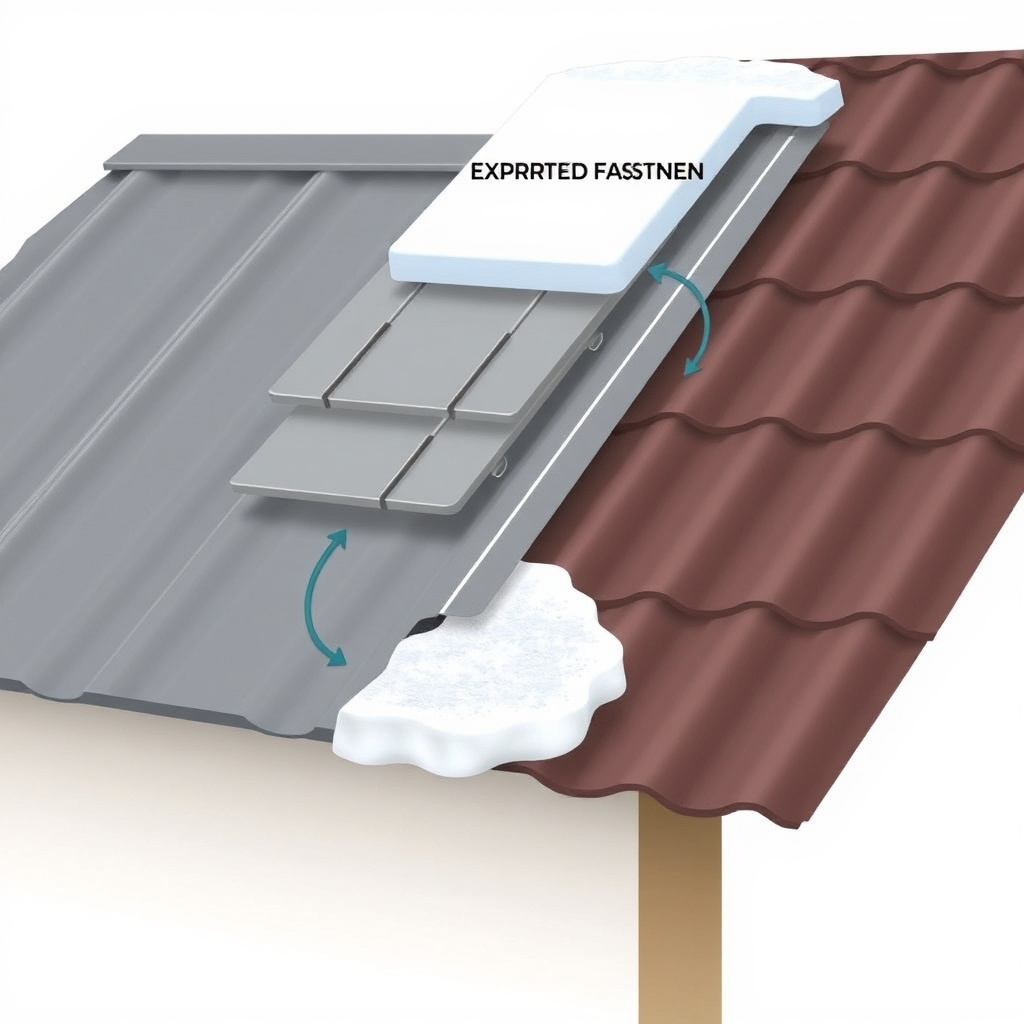
A 50-foot wide building creates a large roof expanse. Snow load and water shedding are critical. Standing seam’s raised seams allow snow to slide off more easily, especially on a 4:12 pitch or steeper. The hidden clip system also accommodates thermal expansion without stressing the panels, reducing the risk of oil-canning or panel fatigue—a common issue with rigidly fastened corrugated systems on long runs.
Leakage comparison:
- Standing seam: Virtually leak-free when installed correctly. Only penetrations (vents, chimneys) need sealing. The seam itself is a single continuous mechanical interlock.
- Corrugated: Exposed screws are the #1 failure point. Gaskets dry out and crack after 10-15 years. In heavy snow, ice dams can force water back up under the screw heads.
For heavy snow regions, standing seam is strongly recommended. It reduces the risk of ponding water leading to sagging. See Troubleshooting Snow Load on Morton 50×80 Roof: Sagging Prevention for further insight on load management.
How Does Longevity and Warranty Compare?
Morton Buildings typically offers a 20-year paint warranty on their Galvalume steel, but the structural warranty is separate. For the panel itself:
- Standing seam: Often comes with a 40-year or lifetime finish warranty (depending on paint system). Structural performance is excellent. Expect 50+ years with proper care.
- Corrugated: Usually 20-30 year warranty on perforation (rust-through). Exposed fasteners need checking every 5-10 years. Replacements can be tricky due to color/finish matching.
In practice, many owners of Morton 50×80 barns report that corrugated roofs show wear at the fastener spots after 15 years in coastal or high-humidity areas. Standing seam roofs on similar buildings look like new for decades, barring hail or physical damage. For larger investments like a 50×80, the upfront premium for standing seam often pays off in reduced maintenance and higher resale value.
What Owners Say
Real-world experiences from Morton 50×80 owners highlight practical differences:
- “I went with corrugated to save money up front. After 12 years, I’ve had to replace about 30 screws and reseal the ridge cap. Not a huge deal, but I wish I had the standing seam for the cleaner look and less headache.” — John, Nebraska
- “We built our 50×80 Morton shop in 2008 with standing seam. The roof has zero leaks through heavy snowfall and thaw cycles. The panels still look brand new. No regrets spending the extra $4,000.” — Carol, Wisconsin
- “My corrugated roof leaked at the ridge within 5 years. Morton fixed it under warranty, but I’m thinking about upgrading to standing seam on the next build. It’s quieter, too.” — Mark, Ohio
These observations align with the general consensus: if your budget allows, standing seam is the better long-term value. Corrugated works well for tight budgets or if you’re in a mild climate with no heavy snow. But for most 50×80 owners, the additional insulation and door choices also matter—check the Insulating a Morton 50×80 Pole Barn: Spray Foam vs Fiberglass Batt and Morton 50×80: Choosing the Right Overhead Door Size and Style for complementary guidance.
Frequently Asked Questions
- Is standing seam worth the extra cost on a Morton 50×80?
Yes, for most owners. The added cost is typically $3,000-$5,000 but extends roof life by 20+ years and eliminates exposed fastener maintenance. - Can I mix standing seam on the main roof and corrugated on the lean-to?
Yes, but match profiles for visual consistency. Morton can custom-order standing seam for the entire building, which is preferred for uniform expansion. - What gauge steel is best for standing seam on a 50×80?
For standing seam, 26-gauge (0.0187″) is standard and adequate. For corrugated, 26-gauge is also typical, though 24-gauge (0.0239″) offers extra rigidity on wide truss spacings—see the steel gauge article for more. - Does standing seam require special tools for maintenance or repairs?
Minor repairs (dents, scratches) are the same. For seam re-crimping, a manual seamer ($200-$300) or electric tool (rental) is needed—Morton can also handle this. - Will a standing seam roof make my Morton 50×80 cooler in summer?
It can help. Standing seam allows for a “cool roof” coating or reflective paint. Corrugated with exposed fasteners heats up more due to direct contact. Insulation is key—spray foam combined with standing seam gives the best thermal performance. - How often do I need to inspect the roof on a 50×80?
At least once a year—early spring and late fall are best. For corrugated, check all screw heads for tightness and gasket condition. For standing seam, inspect seam clips for any separation and clean debris from valleys. Skipping checks can lead to major issues like sagging (see the snow load article).