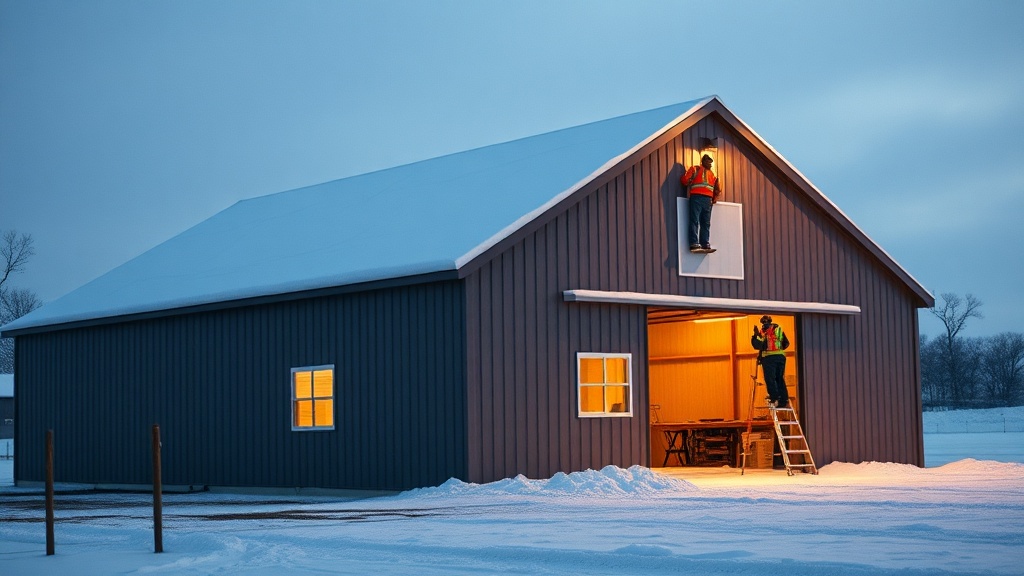
If you own a Morton Buildings 50×80, you’ve invested in a structure built to handle heavy snow loads—but even the best-engineered pole barn can develop roof sag if maintenance or design details are overlooked. Sagging isn’t just unsightly; it can lead to leaks, truss damage, and costly structural repairs. This guide walks you through the specific trouble spots on a 50×80 Morton roof and offers practical steps to prevent sag before it starts.
What Causes a Morton 50×80 Roof to Sag Under Snow Load?
The primary culprit is unbalanced snow accumulation, especially when wet, heavy snow piles up faster than the roof’s drainage can handle. On a 50×80 Morton building, the long 80-foot span and 4:12 or 5:12 pitch (common in Midwest models) mean snow can drift toward the center or along the lower eaves. If the roof trusses are under-designed for your local snow zone—say, a 40 PSF ground snow load instead of the required 60 PSF—sag becomes likely. Other factors include undersized purlins (often 2×6 on 24-inch centers for lighter duty), corroded steel panels that weaken over time, or blocked gutters that cause ice dams. Always check your building’s original engineering specs; Morton typically stamps load ratings on the main column near the overhead door.
Another cause is inadequate bracing. If your 50×80 has scissor trusses for a clear-span interior (no center posts), the bottom chords rely on proper lateral bracing to resist deflection. Missing or damaged cross-bridging between trusses can allow individual trusses to bow under a heavy snow event.
How Do I Inspect My Morton 50×80 Roof for Early Signs of Sag?
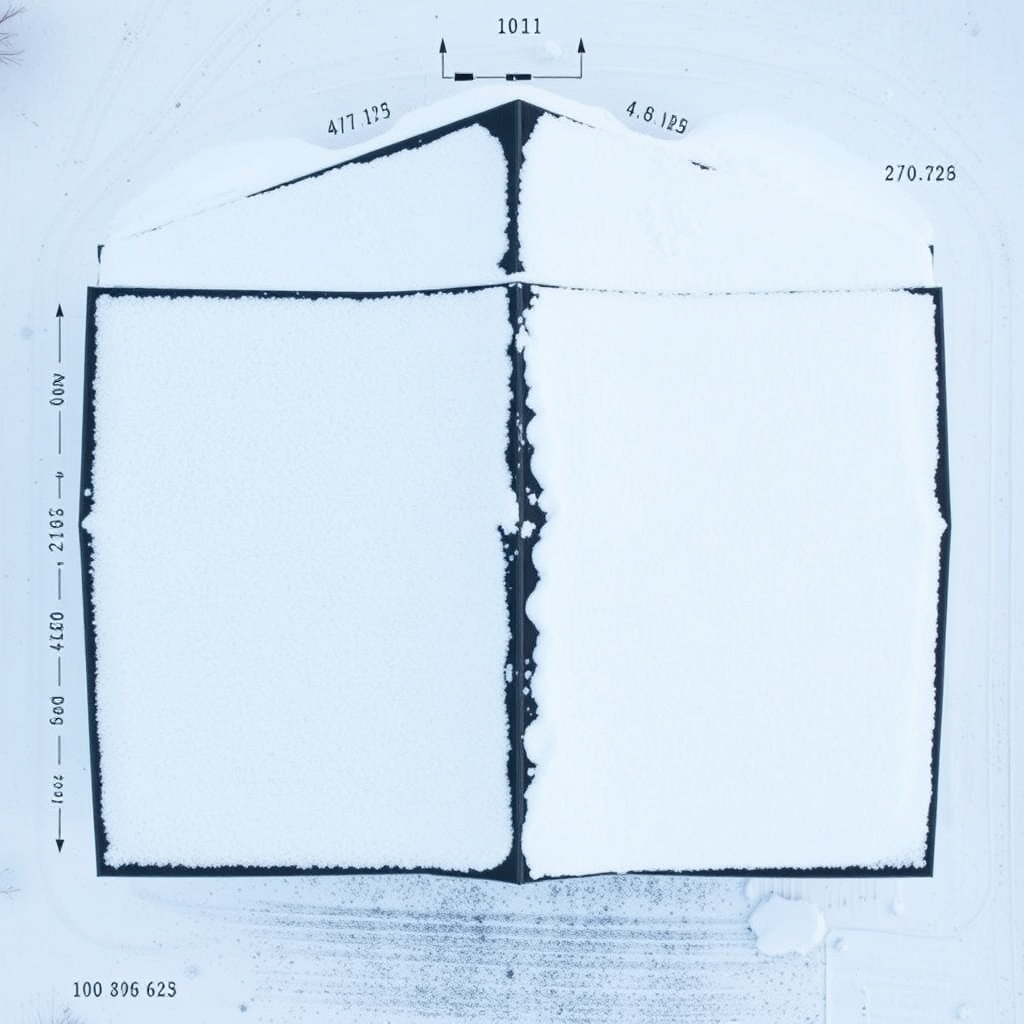
Walk the interior first. Look along the bottom chords of the roof trusses—measure from the floor to the bottom of the chord at the center of the span using a laser level. A difference of more than 1/2 inch over 10 feet indicates deflection. On the exterior, check for a noticeable dip along the ridge line; shine a flashlight from one end to the other during a clear day. Also inspect the steel panels near the ridge and eaves—curled or buckling edges signal that the roof is pulling apart at the seams. Use a straightedge (a 6-foot level works) to check flatness across several panel widths.
During the winter, note any interior water stains or frost lines on the underside of the roof deck. These can indicate that snow melt is pooling in a sagging area, not draining properly. Early detection is critical because a 1-inch sag left unattended can double in a single snow season.
Can I Reinforce an Existing Morton 50×80 Roof to Prevent Sag?
Yes, but the method depends on the sag’s severity and your truss type. For minor sags (less than 1 inch in the center), adding collar ties or rafter ties between opposing trusses can help. Use 2x4s or 2x6s, installed near the ridge, and tighten turnbuckles gradually over a week—never force the roof back into position all at once. For moderate sags (1 to 2 inches), you might need to sister additional trusses: bolt a new 2×6 or 2×8 truss web piece alongside the existing one, following the original chord geometry. This is a two-person job requiring careful measurement and structural screws. Always consult a licensed structural engineer before altering load-bearing members.
If the sag is due to undersized steel panels—common with 29-gauge corrugated panels on older Morton buildings—consider replacing them with heavier 26-gauge panels. This upgrade not only boosts rigidity but also improves snow shedding. For a 50×80 roof, expect material costs around $2,500 to $4,000 for 26-gauge panels plus labor, but it’s a one-time fix that prevents future issues.
| Sag Severity | Action Needed |
|---|---|
| Less than 1/2 inch over 10 feet | Usually not urgent. Monitor after each heavy snowfall. Ensure gutters are clear. |
| 1/2 to 1 inch over 10 feet | Needs attention soon. Add collar ties or check truss bracing. Inspect purlins for rot or corrosion. |
| 1 to 2 inches over 10 feet | Urgent. Sister damaged trusses or reinforce with steel straps. Consult an engineer. |
| More than 2 inches over 10 feet | Critical. Immediate structural support required. Do not enter building until snow is safely removed and trusses shored. |
Should I Remove Snow from the Morton 50×80 Roof Myself?
Manual snow removal is an option for light accumulations (less than 6 inches of wet snow) but comes with risks. Walking on the roof of a 50×80 Morton building can be dangerous because the metal panels are slippery and can dent. Use a roof rake with a long handle (at least 25 feet) and plastic blade to avoid scratching the coating. Work from the ground or a ladder, pulling snow downward—never climb onto the roof without a safety harness and fall arrest system. For snow depths exceeding 12 inches or heavy, compacted layers, call a professional snow removal service that uses a boom lift or extension ladder. They can clear the ridges and valleys without damaging the panels. Typical cost for a 50×80 roof in the Midwest runs $400 to $800 per visit.
If you have a steep pitch (6:12 or more), snow removal becomes even more hazardous. In that case, focus on clearing the lower 3 feet of the roof to prevent ice dams; the natural slide will carry the rest. For flat or low-slope Morton roofs (less than 3:12), snow removal is almost mandatory because pooling accelerates sag.
How Does Insulation Affect Snow Load and Sag on a Morton 50×80?
Insulation plays a hidden role. In an uninsulated or poorly insulated Morton 50×80, the interior warms from radiant heat (even from stored equipment or livestock), melting the bottom layer of snow. That meltwater refreezes at the eaves, creating ice dams that trap snow and water on the roof. The added weight from the ice dam and trapped water can easily exceed design loads. Proper insulation—either spray foam or fiberglass batts—keeps the roof deck temperature uniform, minimizing melting and refreezing. If you already have insulation, check that it’s continuous above the purlins; gaps allow heat to escape and cause localized melting. For a detailed comparison, see our guide on Insulating a Morton 50×80 Pole Barn: Spray Foam vs Fiberglass Batt.
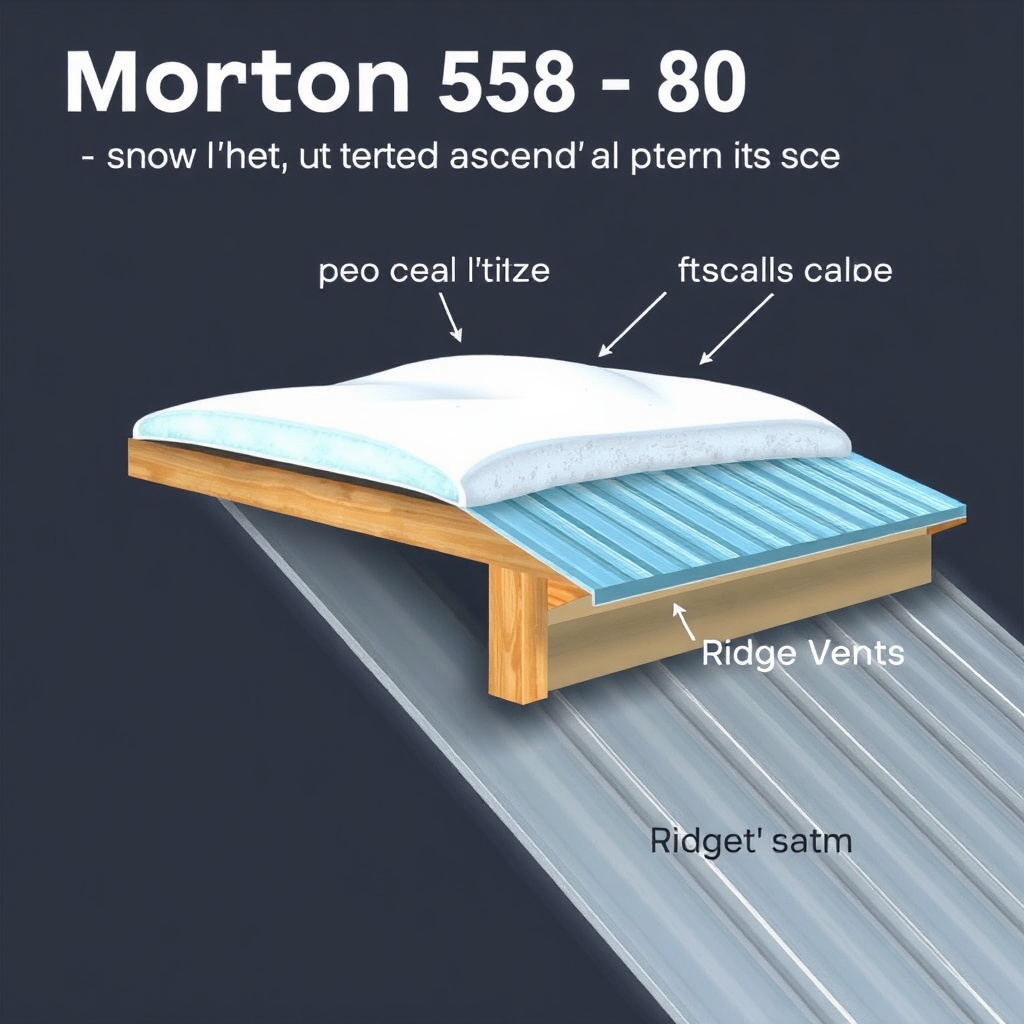
Additionally, ventilation is critical. Soffit and ridge vents allow cold air to flow across the underside of the roof deck, flushing out any heat that does escape. Without adequate intake and exhaust vents, your insulation can’t do its job effectively, and snow load risks rise. If your 50×80 didn’t come with ridge vents as standard (common on standard Morton packages), consider adding a continuous ridge vent—typically $200 to $400 in materials for the full 80-foot ridge.
What Structural Upgrades Help a Morton 50×80 Handle Heavy Snow?
Several permanent upgrades can give your 50×80 the edge against sag. First, if your building has corrugated panels (which are less stiff than standing seam), swapping to standing seam is a proven fix. Standing seam panels have interlocking seams and hidden fasteners, creating a diaphragm that distributes load more evenly across the trusses. Our article on Morton 50×80: Standing Seam vs Corrugated Roofing Which Is Better? dives into the structural benefits. Second, adding a mid-span purlin—a 2×8 or 2×10 running the length of the roof between trusses—supports the steel panels and reduces unsupported spans. This is especially useful on older 50×80 models that used 24-inch spacing. Third, consider upgrading to 26-gauge steel panels from 29-gauge; the thickness difference offers 50% more resistance to bending under snow. See our analysis at Morton Buildings 50×80: What Steel Gauge for Roof Panels? for specifics.
Finally, never neglect the foundation. A sagging roof can be a symptom of footing settlement, especially if only one side of the 50×80 is sinking. Ensure your concrete footings are deep enough for your frost line—typically 42 to 48 inches in northern climates. For more on this, review Morton 50×80 Foundation: Recommended Concrete Footing Depth. And if you’re adding an overhead door to a sagging section, the extra weight from the door and opener can worsen deflection; size it correctly by reading Morton 50×80: Choosing the Right Overhead Door Size and Style.
What Owners Say
Tom from Wisconsin: “I caught a 3/4-inch sag in my 50×80 after the third winter. I added two collar ties at each truss bay and installed a continuous ridge vent. Next season, no ice dams and the roof is flat as a table. Cost me about $300 in lumber and a weekend of work.”
Lisa in Minnesota: “My building had a 1.5-inch dip right over the center bay. A structural engineer said the trusses were undersized for our 70 PSF snow zone. We sistered every other truss with 2x8s and replaced the 29-gauge panels with 26-gauge standing seam. Total cost $5,200, but the building feels solid now.”
Mike from Michigan: “Don’t ignore blocked gutters. I had a small sag near the front eave—turned out water was backing up under the shingles (yes, I have asphalt shingles on my Morton). Cleared the gutters, shored up the truss, and all good. A $50 fix saved me from a $2,000 repair.”
Frequently Asked Questions
- How much snow load can a standard Morton 50×80 roof handle?
Design loads vary by region, but most Morton 50×80 buildings are engineered for ground snow loads of 30 to 50 PSF. Check your building’s tag for the specific rating. For wet snow (density around 15 lbs per cubic foot), that’s about 2 to 3.3 feet of snow depth evenly distributed. Drifts at the ridge or valleys can exceed this. - Can I use a snow rake on a standing seam Morton roof?
Yes, but only with a plastic or rubber blade designed for metal roofs. Never use a metal rake—it will scratch the coating and void the warranty. Start at the ridge and pull downward; avoid leaning the rake against the seams. - What’s the first sign of impending sag on a Morton 50×80?
Interior water stains or an uneven gap between the roof panel and the top of the wall trim. Also, if you see the ridge line dip when viewed from 50 feet away, that’s a red flag. - Will adding insulation actually reduce snow load risk?
Yes, indirectly. Proper insulation prevents heat loss that causes ice dams, which add weight. It also reduces condensation that can rot wood members, maintaining the roof’s structural integrity. Spray foam is more effective than fiberglass for air sealing in pole barns. - How much does it cost to reinforce a sagging Morton 50×80 roof?
Minor reinforcement (collar ties, rafter ties) typically runs $300 to $800 in materials if you DIY. Professional sistering of trusses plus new panels can range from $3,000 to $8,000 depending on truss condition and labor rates in your area. - Is it normal for a Morton 50×80 roof to have a slight slope after a heavy snow?
A small, temporary deflection of 1/4 to 1/2 inch is expected as the trusses deflect under load. If the roof does not spring back within 48 hours after snow melts, you have a permanent set and should take action.