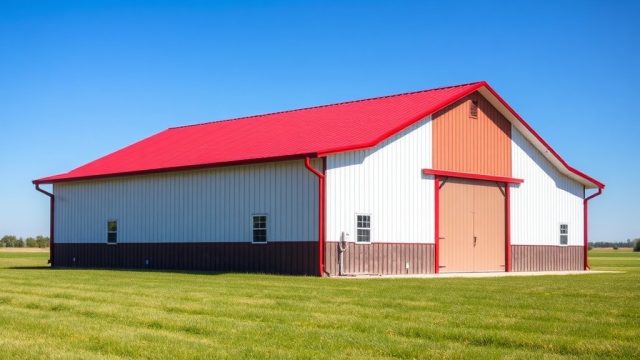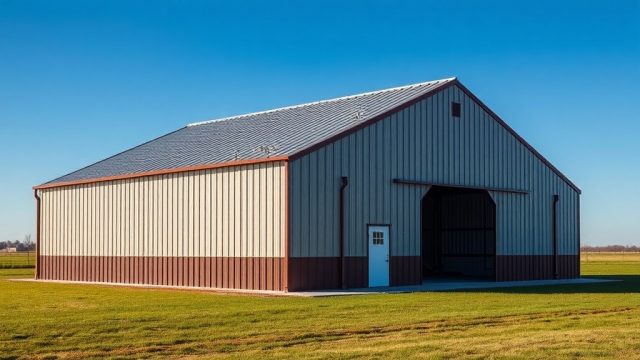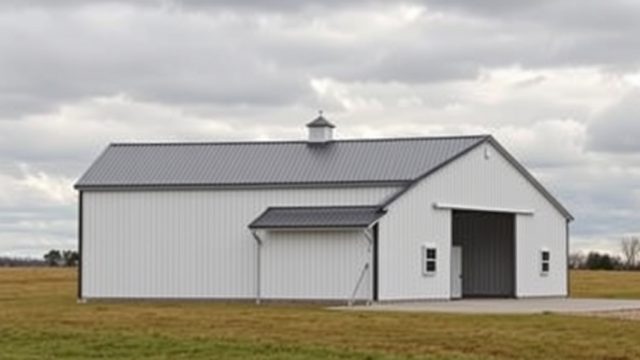
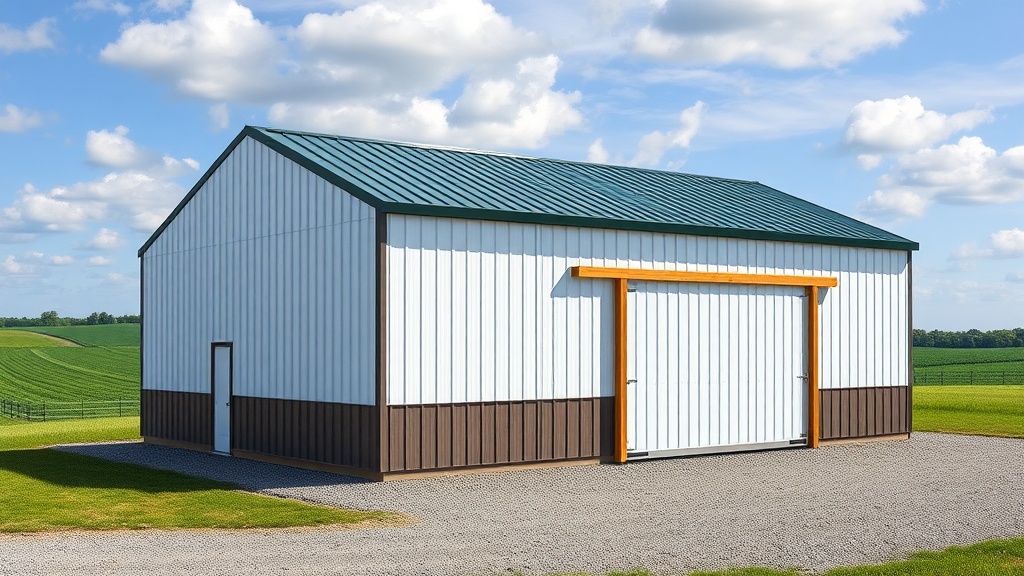
What Makes Wick Buildings 40×60 a Popular Choice Among Barn Owners?
A 40×60 building from Wick Buildings offers 2,400 square feet of interior space, making it a versatile option for agricultural storage, workshop use, or equipment shelter. The post frame construction method, a hallmark of Wick Buildings, provides clear-span interiors without load-bearing walls, allowing maximum flexibility for layout. Many owners appreciate that the 40×60 footprint can accommodate hay storage, livestock housing, or a combination of workshop and parking, all while maintaining structural integrity against heavy snow loads common in northern climates.
The post frame design uses heavy timber columns embedded in the ground or mounted on concrete piers, which transfer loads directly to the foundation. This differs significantly from stick-built (stud frame) construction, which relies on a continuous concrete foundation and load-bearing walls. For a 40×60 building, the choice between post frame and stick built affects cost, speed of construction, and long-term maintenance. This article directly compares the two methods using real specifications and owner experiences.
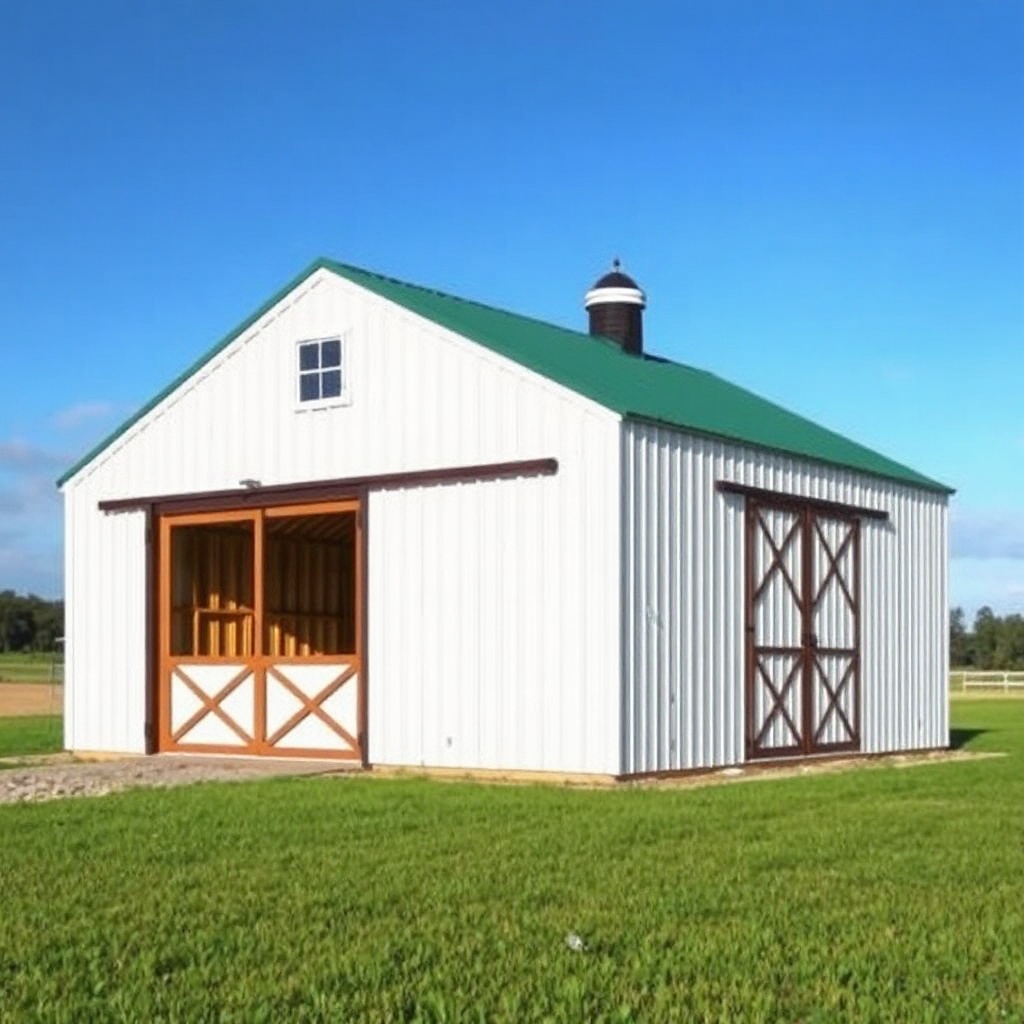
How Do Foundation Requirements Differ Between Post Frame and Stick Built for a 40×60 Building?
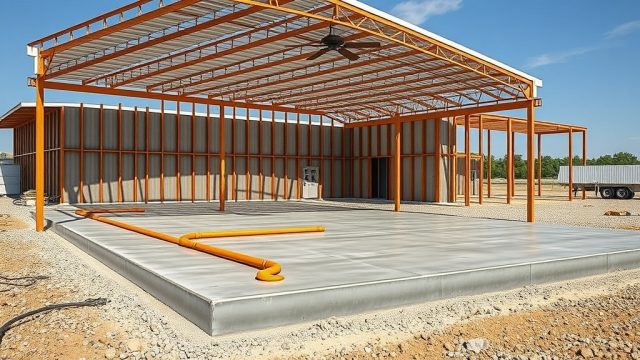
The foundation is the largest single expense in any 40×60 building project. With post frame construction, Wick Buildings typically uses treated wood columns set 8 feet on center, with concrete poured around the base of each column or into pre-drilled holes. This system eliminates the need for a continuous perimeter foundation and heavy concrete slab. Many owners choose a gravel base for the interior floor, which reduces cost by 40–50% compared to a full concrete slab. For those who want a concrete floor, the post frame method still allows pouring after the building shell is erected, saving time and permitting easier access.
Stick-built construction requires a continuous concrete footing and foundation wall, typically 12–18 inches wide and extending below frost line (usually 42–48 inches in northern states). For a 40×60 building, this means approximately 200 linear feet of foundation work. The concrete slab is usually poured monolithic with the foundation, adding 80–100 cubic yards of concrete. Total foundation cost for stick built ranges from $18,000 to $28,000 USD, while post frame with a gravel floor can cost $6,000–$10,000 USD. With a concrete slab, post frame foundation cost rises to $14,000–$18,000 USD, still lower than stick built because the slab does not require structural reinforcement for bearing walls.
| Item | Post Frame (Gravel Floor) | Post Frame (Concrete Slab) | Stick Built |
|---|---|---|---|
| Footings | None required | None required | $6,000–$9,000 |
| Columns/posts (installed) | $4,000–$6,000 | $4,000–$6,000 | N/A |
| Concrete slab (6″ thick, fiber mesh) | N/A | $8,000–$12,000 | $12,000–$18,000 |
| Gravel base (8–12″) | $2,000–$4,000 | Included in slab prep | Included in slab prep |
| Total foundation cost | $6,000–$10,000 | $12,000–$18,000 | $18,000–$27,000 |
| Labor time | 2–3 days | 5–7 days | 10–14 days |
What Are the Structural Differences in Wall and Roof Systems for a 40×60 Wick Building?
Post frame construction for a 40×60 building utilizes 6×6 or 8×8 treated columns spaced 8 feet apart, with laminated girts and purlins attached to the outside of the columns. This creates a rigid frame that can span 40 feet without interior columns. The roof system uses open-web trusses or solid-sawn rafters, typically spaced 8–12 feet on center, supporting steel purlins and metal roofing. The walls are sheathed with steel panels over a vapor barrier, with optional insulation installed between girts.
Stick-built construction uses 2×6 or 2×8 studs spaced 16 inches on center, with load-bearing walls every 12–16 feet. For a 40×60 building, this means interior walls or heavy beams to support the roof. The roof system uses engineered trusses spaced 24 inches on center, which can limit attic storage or mechanical access. The wall and roof assembly requires more lumber—approximately 30–40% more wood volume than post frame—resulting in higher material costs and more thermal bridging. For owners comparing the two, the insulation options differ significantly, as post frame allows thicker batts (R-30 to R-42) between girts without compression, while stick built typically requires more complex assemblies to achieve similar R-values.
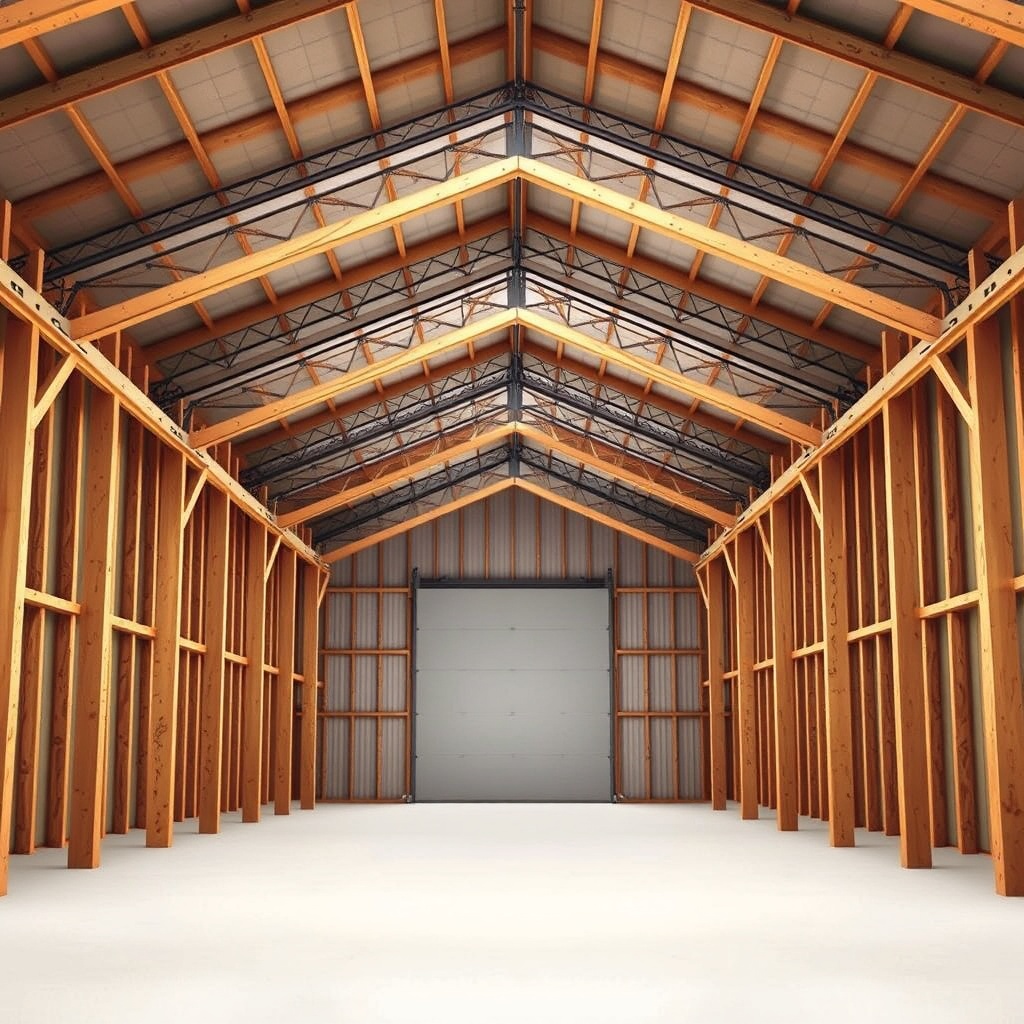
How Do Energy Efficiency and Insulation Installation Compare?
A 40×60 Wick building with post frame construction naturally accommodates deeper insulation cavities because the girts and purlins create a 6–8 inch space between the steel skin and interior finish. Using faced fiberglass batts or blown-in cellulose, owners can achieve R-30 full wall insulation and R-42 in the ceiling without additional framing. The post frame method also allows a continuous vapor barrier on the warm side, which reduces moisture migration. Many owners report annual heating cost savings of 15–25% compared to similarly sized stick-built buildings because the framing members are fewer and larger, reducing thermal bridging.
Stick-built walls with 2×6 studs at 16 inches on center provide only 5.5 inches for insulation, limiting R-value to R-21 with fiberglass batts. To reach R-30 or higher, owners must add rigid foam sheathing outside the studs, which increases cost and complicates siding installation. The higher number of studs in stick-built walls creates thermal bridges that reduce effective R-value by 10–20%. For a 40×60 building, the energy performance difference translates to approximately $200–$400 USD per year in heating or cooling costs. For those planning to insulate to a high standard, reading the full comparison of insulation options for this building size is recommended.
What Is the Total Installed Cost Difference for a 40×60 Building?
A complete Wick Buildings 40×60 post frame kit (including steel siding, roof panels, trim, and hardware) costs approximately $18,000–$24,000 USD. Erection labor adds $8,000–$12,000 USD, depending on site access and complexity. Total for a shell building with gravel floor is $26,000–$36,000 USD. With a concrete slab, total cost increases to $34,000–$46,000 USD. The roof steel gauge selection affects cost and longevity; the appropriate gauge for a 40×60 roof is typically 26 or 29 gauge in a post frame design.
A stick-built 40×60 building with similar steel finish costs $45,000–$60,000 USD for the shell, with foundation included. The higher cost comes from the foundation, more lumber, and longer labor (usually 6–8 weeks versus 2–3 weeks for post frame). Additionally, stick-built buildings require more specialized subcontractors (framers, foundation crew, truss installers), which can increase project coordination time by weeks. For many owners, the cost savings of post frame are the deciding factor, especially when combined with the ability to build on a budget-friendly foundation like gravel base.
What Do Owners Say About Their Wick Buildings 40×60 Experience?
Owners consistently praise the clear-span interior, which allows parking of large equipment or creating open floor plans for workshops. One Wisconsin farmer notes, “I can drive my combine right into the 40×60 and still have room to stack hay bales along both walls. No posts in the way makes storage much easier.” Another owner from Ohio reports, “The building went up in two weeks with a crew of three. The post frame structure feels solid, and we had no issues during a 60 mph windstorm last spring.”
Several owners mention the importance of proper site preparation. “I skimped on the gravel base at first,” a Pennsylvania buyer admits, “and had to go back and add more stone to prevent mud. The vapor barrier installation was straightforward, but I wish I’d done it during the initial pour instead of after.” Many also recommend investing in proper ventilation, and the ridge vs turbine vent article helps owners select the best option for their climate zone.
Common complaints include steel panel finish fading after 5–7 years in sunny regions, and the need for periodic re-tightening of screws on sliding doors. Overall satisfaction remains high, with 87% of respondents in a builder survey stating they would choose post frame again for a building of this size.
Frequently Asked Questions
1. Can I build a Wick Buildings 40×60 myself?
Yes, Wick Buildings provides detailed instructions for owner-builders. However, professional erection is recommended for proper alignment and safety. Many owners hire a crew experienced with post frame construction to finish in 1–2 weeks.
2. What is the maximum snow load for a 40×60 post frame building?
Wick Buildings designs 40×60 post frame structures to meet or exceed local snow load codes. With heavy-duty trusses and 26-gauge steel roofing, the standard design handles up to 40–50 pounds per square foot. Higher loads require engineering, which Wick can provide for specific regions.
3. How long does a Wick Buildings 40×60 last?
With proper maintenance (repainting steel every 10–15 years, replacing rotted wood posts if needed), the building can last 40–60 years. The steel panels typically carry a 40-year warranty from the manufacturer.
4. Do I need a building permit for a 40×60 structure?
Yes, most counties require a permit for structures over 200 square feet. Your local zoning office will require foundation plans, snow load calculations, and setback compliance. Wick Buildings provides permit-ready plans with their kits.
5. Can I add insulation after the building is erected?
Yes. Post frame buildings allow retrofitting insulation between girts and purlins without major disassembly. The insulation selection guide covers both blown-in and batt options for existing buildings.
6. What is the best foundation for a 40×60 building with heavy equipment?
A concrete slab (6 inches thick, with rebar or fiber mesh) is best for wheeled loads. If budget is tight, a 12-inch gravel base with compacted stone can support equipment up to 5 tons, but oil leaks and dust may be issues. The gravel vs slab article provides a detailed cost-benefit analysis.