Wick Buildings 40×60: Choosing Between Single-Slide and Bi-Fold Doors
A 40×60 Wick building represents a substantial investment in workspace or storage, and the door you choose fundamentally changes how you use it every day. Single-slide doors offer straightforward, cost-effective access, while bi-fold doors provide full-height, weather-tight openings for large equipment. This article breaks down the practical differences between these two door types, focusing on real-world operation, cost, and how they affect your building’s layout.
What Is the Difference Between a Single-Slide Door and a Bi-Fold Door on a 40×60 Wick Building?
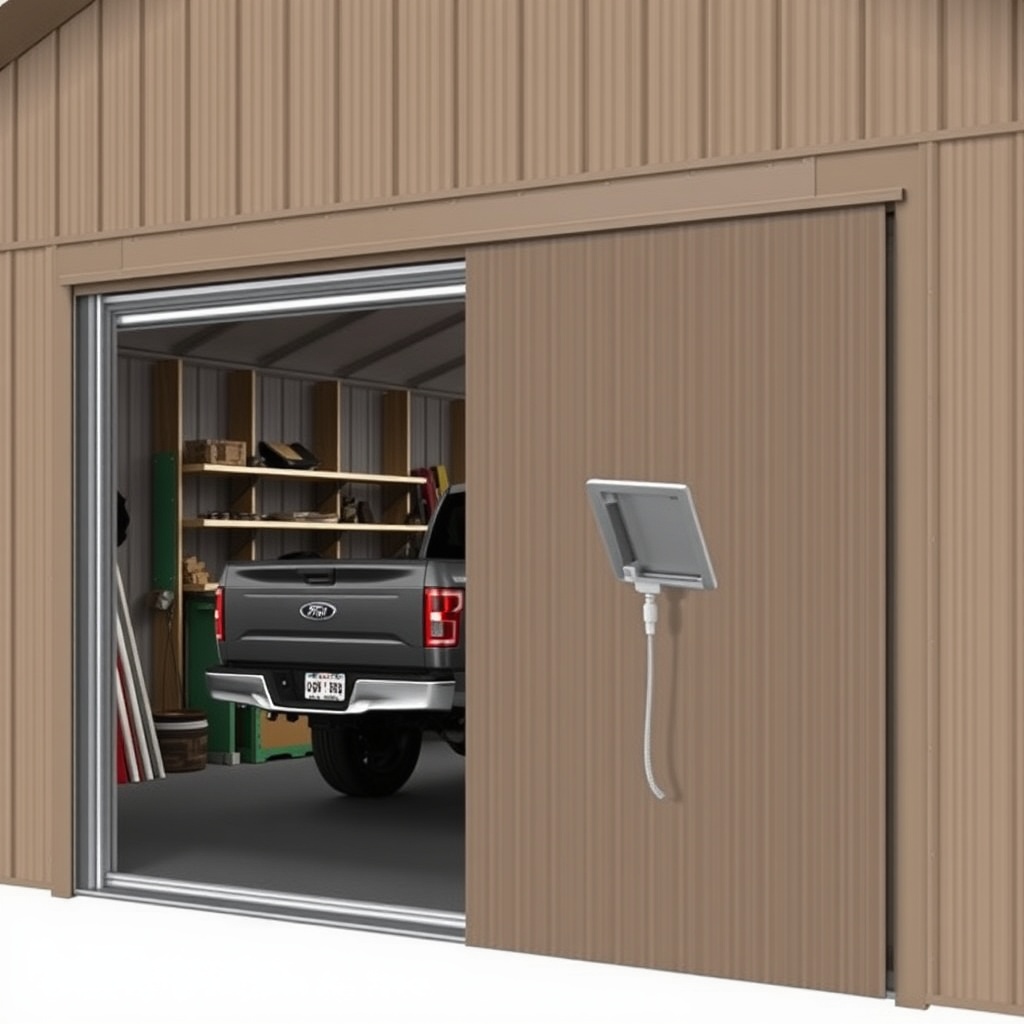
The core difference lies in how the door moves and how much of the opening it clears. A single-slide door, typically hung from an overhead track and supported by a bottom guide, slides horizontally to one side. It leaves a full-width opening but requires interior wall space equal to the door width for the panel to stack. For a 12-foot-wide single-slide door on a 40×60 building, you need about 12 feet of clear wall space inside to one side.
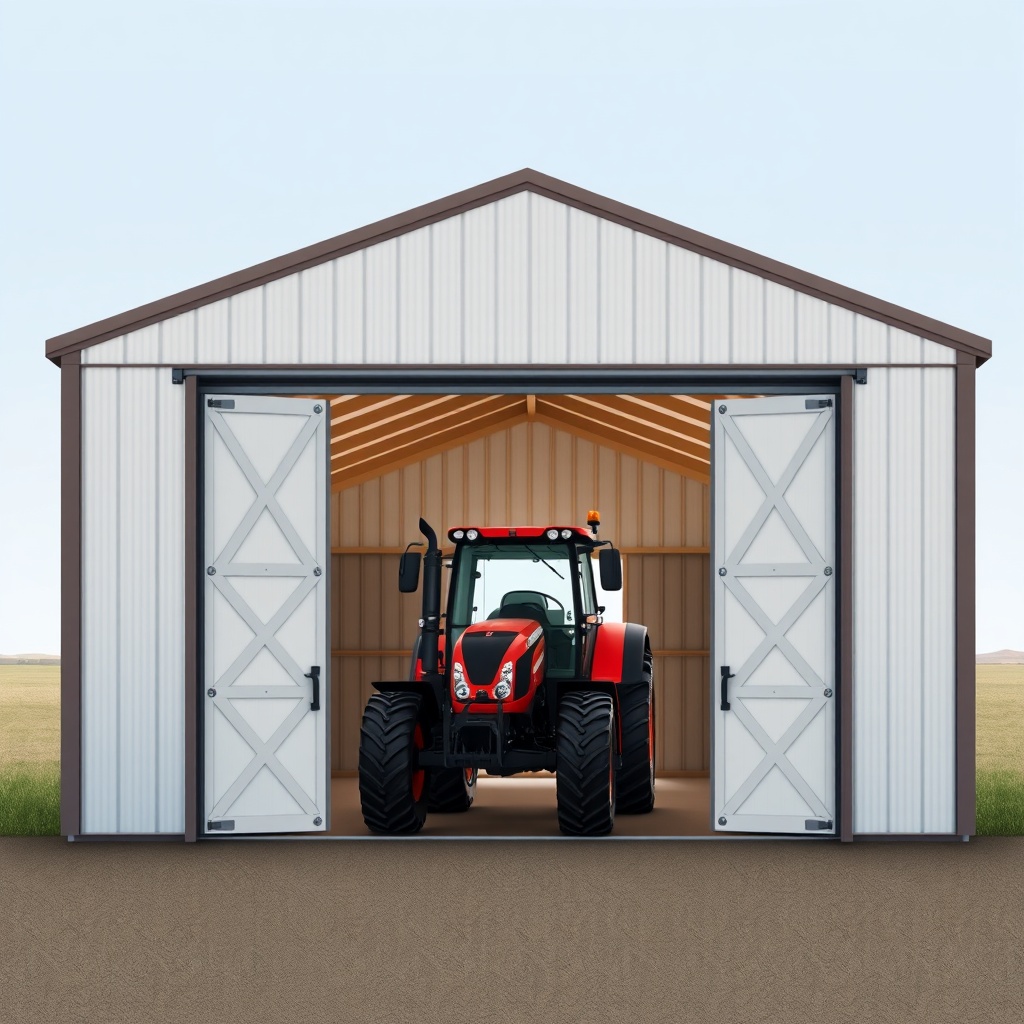
A bi-fold door, often called a “barn door” or “scissor door,” is made of two hinged panels that fold upward and outward. It clears the entire opening vertically, requiring no interior wall space. Bi-fold doors can be made in widths up to 24 feet or more and heights up to 16 feet. They seal tightly against the building’s exterior and can be insulated. However, they are more complex mechanically, with springs, cables, and hinges that require periodic adjustment.
For a 40×60 pole barn, the decision often hinges on what you store. If you need to drive a combine, tractor with cab, or tall truck inside, a bi-fold door’s full-height clearance is non-negotiable. If you only need access for a pickup, utility trailer, or lawn equipment, a single-slide door at a fraction of the cost is perfectly adequate.
How Much Wall Space Do You Lose with Each Door Type?
This is often the biggest surprise for buyers. A single-slide door’s panel must be stored somewhere, and that somewhere is on the interior wall. For a 12-foot-wide door, you lose 12 feet of usable wall space for shelving, workbenches, or parking. If you place the door on the gable end, you lose the entire peak height for storage.
A bi-fold door, by contrast, folds completely out of the way, leaving the entire interior wall usable. If you plan to install a workbench along the end wall or park equipment flush against the wall, a bi-fold door is the clear winner. Many owners of 40×60 Wick buildings report that the lost wall space from a single-slide door forces them to rearrange their entire floor plan, while bi-fold owners use the full footprint.
Consider this: on a 40×60 building, if you place a single-slide door on the 40-foot side, you lose 30% of that wall’s linear space for door storage. On the 60-foot side, you lose 20%. That’s a meaningful reduction for any workshop or stable.
What Are the Cost Differences Between Single-Slide and Bi-Fold Doors for a 40×60?
Cost varies widely by door width, insulation level, and brand, but the gap is significant. A basic 10-foot-wide single-slide door, uninsulated, for a Wick building runs roughly £1,200 to £1,800 installed. A 12-foot-wide insulated version costs £2,000 to £2,800. Bi-fold doors start higher: a 12-foot-wide uninsulated bi-fold is about £3,500, while a 16-foot-wide insulated bi-fold can reach £6,000 or more.
| Door Type | Width (feet) | Uninsulated Cost (£) | Insulated Cost (£) |
|---|---|---|---|
| Single-Slide | 10 | £1,200–£1,800 | £2,000–£2,500 |
| Single-Slide | 12 | £1,500–£2,200 | £2,400–£2,800 |
| Single-Slide | 14 | £1,800–£2,500 | £2,800–£3,200 |
| Bi-Fold | 12 | £3,500–£4,200 | £4,500–£5,500 |
| Bi-Fold | 16 | £4,500–£5,500 | £5,500–£7,000 |
| Bi-Fold | 20 | £5,500–£6,500 | £7,000–£9,000 |
Prices are estimates for Wick Buildings in the UK, including installation. Actual costs depend on local labour rates and door hardware.
If you are choosing between post frame construction vs stick built, the door type can affect the wall framing. Post-frame buildings easily accommodate heavy bi-fold doors because the weight is carried by the posts, while stick-built walls may require additional headers. Always specify the door type early in the design process.
How Do Insulation and Weather Sealing Compare?
Insulation is a major concern for any occupied building. Single-slide doors are typically available with R-values between R-6 and R-12, using rigid foam panels glued to the door skin. The sliding action creates a small gap along the track and bottom, which can let in drafts if not sealed with a brush seal.
Bi-fold doors offer better sealing because they compress against a gasket when closed. Insulated bi-folds commonly reach R-14 to R-18. The folding action also means fewer air gaps than a sliding door. For cold climates, many owners pair bi-fold doors with frost protection methods to prevent the door track from freezing. A well-insulated bi-fold door dramatically reduces heating costs in a workshop.
On a 40×60 building, the door area can account for 15% to 25% of the total wall surface. Upgrading from an uninsulated single-slide to an insulated bi-fold can save hundreds of pounds per year in heating. However, the upfront cost is high. Weigh the payback period carefully.
Which Door Type Is Easiest to Maintain Over Time?
Simplicity wins here. A single-slide door has very few moving parts: two or three rollers, a track, and a bottom guide. Maintenance is limited to lubricating rollers twice a year and checking for rust on the track. If a roller fails, replacement costs about £20 and takes an hour.
Bi-fold doors are more complex. They have torsion springs, cables, hinges, pivot brackets, and a lifting mechanism. Springs lose tension over time and need adjustment or replacement every 5–10 years. Cables can fray. If the door is heavy (common for large bi-folds), the strain on hardware is significant. A spring replacement costs £200–£400. Many owners of Wick buildings with bi-fold doors recommend annual maintenance by a professional. For a busy farm, this is an acceptable trade-off; for a weekend workshop, a single-slide door may be easier.
Consider your willingness to maintain equipment. If you want to set and forget, choose single-slide. If you need maximum clearance and are comfortable with annual upkeep, bi-fold is worth it.
How Does Door Choice Affect Electrical Wiring and Conduit?
This is an often-overlooked aspect. A single-slide door requires an overhead track, which can interfere with running conduit for electrical wiring across the top of the door opening. If you plan to install ceiling lights or receptacles above the door, you must route conduit around the track. This adds complexity and cost.
A bi-fold door, being a vertical lift, frees up the entire header space. You can run conduit straight across the top of the opening without obstruction. Many owners run conduit before the door is installed to avoid snags. Additionally, bi-fold doors often require electrical connections for operators if you choose automatic opening. This means running a dedicated circuit to the door header. Single-slide doors rarely need wiring unless you add a motorised opener.
If you are building a workshop with a 40×60 footprint, plan your electrical layout before choosing the door. The door type may dictate where you can place main distribution panels or ceiling outlets.
What Owners Say About Their Wick 40×60 Door Choice
We spoke with three owners who built 40×60 Wick buildings in the past five years. One owner, a dairy farmer in Somerset, installed a 14-foot single-slide on the side wall. He reports it works perfectly for his tractor and feed trailer, but he wishes he had installed a second door on the opposite wall because the single door limits airflow on warm days. He spent about £2,400 on the insulated door and installed it himself with a helper.
Another owner, a woodworker in Kent, chose a 16-foot bi-fold on the gable end. He says the full opening allows him to move large sheets of plywood and his planer in and out easily. He paid £6,200 for an insulated bi-fold and notes that the tight seal keeps dust out. However, he had to call a door service twice in three years to adjust the torsion springs.
A third owner, a horse breeder in Cheshire, installed two 10-foot single-slide doors on opposite ends of her building. She uses one for horse access and the other for storage. At £2,000 each, the total cost was lower than a single bi-fold. She says the maintenance is minimal and the horses are not spooked by sliding doors. Her advice: buy quality rails from Wick to avoid rust.
For insights on keeping the interior cool, see our article on radiant barrier vs reflective insulation, which many owners combine with door choice.
Frequently Asked Questions
Can I install a bi-fold door on a 40×60 building with low headroom?
Yes, bi-fold doors require about 1 to 2 feet of clearance above the opening for the folding mechanism. If your building has a low ceiling, a bi-fold may still work, but you need at least 12 inches of headroom for the hardware. Always check the door manufacturer’s specifications.
Do single-slide doors take up more interior space than bi-fold doors?
Yes. A single-slide door requires interior wall space equal to the door width for the sliding panel. A bi-fold door folds upward and takes no interior wall space. This can be a deciding factor in smaller shops.
Are bi-fold doors more secure than single-slide doors?
Generally, yes. Bi-fold doors have multiple locking points along the jambs and compress against a seal, making them harder to pry open. Single-slide doors often rely on a simple padlock hasp. For high-security applications, choose bi-fold with a locking mechanism.
How long does it take to install a single-slide door on a 40×60 Wick building?
Professional installation takes about 4 to 6 hours for a 12-foot door. DIY installation with a helper takes 8 to 12 hours, depending on your experience with track alignment and leveling.
What is the maximum width for a single-slide door on a Wick building?
Wick Buildings offers single-slide doors up to 14 feet wide. Beyond that, the panel becomes too heavy for standard hardware. For wider openings, a bi-fold or overhead sectional door is recommended. For more on ventilation, read about ridge ventilation vs turbine vents.
Can I automate a single-slide door?
Yes, motorized openers for single-slide doors are available from Wick and third-party suppliers. The opener mounts on the wall and uses a chain or belt drive. Installation adds about £400–£800 to the door cost. Bi-fold doors can also be automated, typically costing £600–£1,200 for the operator kit.