Why Does Attic Airflow Matter for a Wick Buildings 40×60?
When you invest in a 40×60 pole barn from Wick Buildings—whether for equipment storage, a workshop, or livestock shelter—controlling attic temperature and moisture becomes a priority. The 2,400 square feet of roof area in a standard 40×60 translates to a sizable attic cavity that needs strategic ventilation. Without proper airflow, summer heat buildup can degrade roof panels and stored items, while winter condensation risks mold, rot, and rust on fasteners. Two common solutions—ridge vents and turbine vents—each have specific performance tradeoffs for this structure size.
A Wick Buildings 40×60 typically uses a 4:12 or 5:12 roof pitch with a 26-gauge steel roof. The attic space may be partially insulated for a conditioned shop or left open for cold storage. Regardless, passive ventilation is essential to meet most building codes (1:300 ratio of net free vent area to attic floor area). For a 40×60 building, that means roughly 8 square feet of net free vent area required. How you achieve that with ridge vents, turbines, or a combination determines long-term energy costs and structural health.
How Does Ridge Ventilation Work on a 40×60 Wick Building?
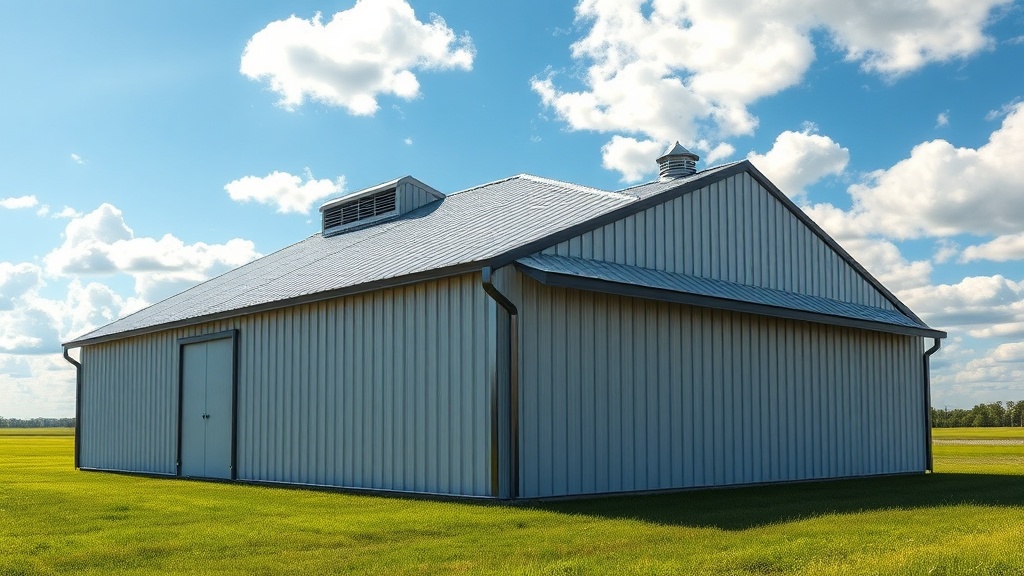
Ridge vents are continuous open slots installed along the peak of the roof, covered by a baffled cap that prevents rain entry while allowing hot, moist air to escape. On a Wick 40×60 with a 60-foot ridge length, a standard 3-inch wide ridge vent provides roughly 9 square inches of net free vent area per linear foot—yielding about 3.75 square feet from a 60-foot run. To meet code, you would pair this with 3.75 square feet of soffit or eave intake vents. The system works best when intake is at least equal to exhaust area.
For a 40×60 building in a moderate climate, ridge vents offer a low-maintenance, wind-independent solution. However, performance depends on proper ridge cut alignment with the vent opening—mismatched installation can reduce net free area by half. A Wick Buildings dealer should specify a continuous ridge vent sized for the 60-foot peak, with a 1-inch gap cut in the roof decking on each side. For best results, the ridge vent’s baffle should be rated for steel roof panels up to 26-gauge without crushing the foam seal.
What Are Turbine Vents and Are They Better for This Building Size?
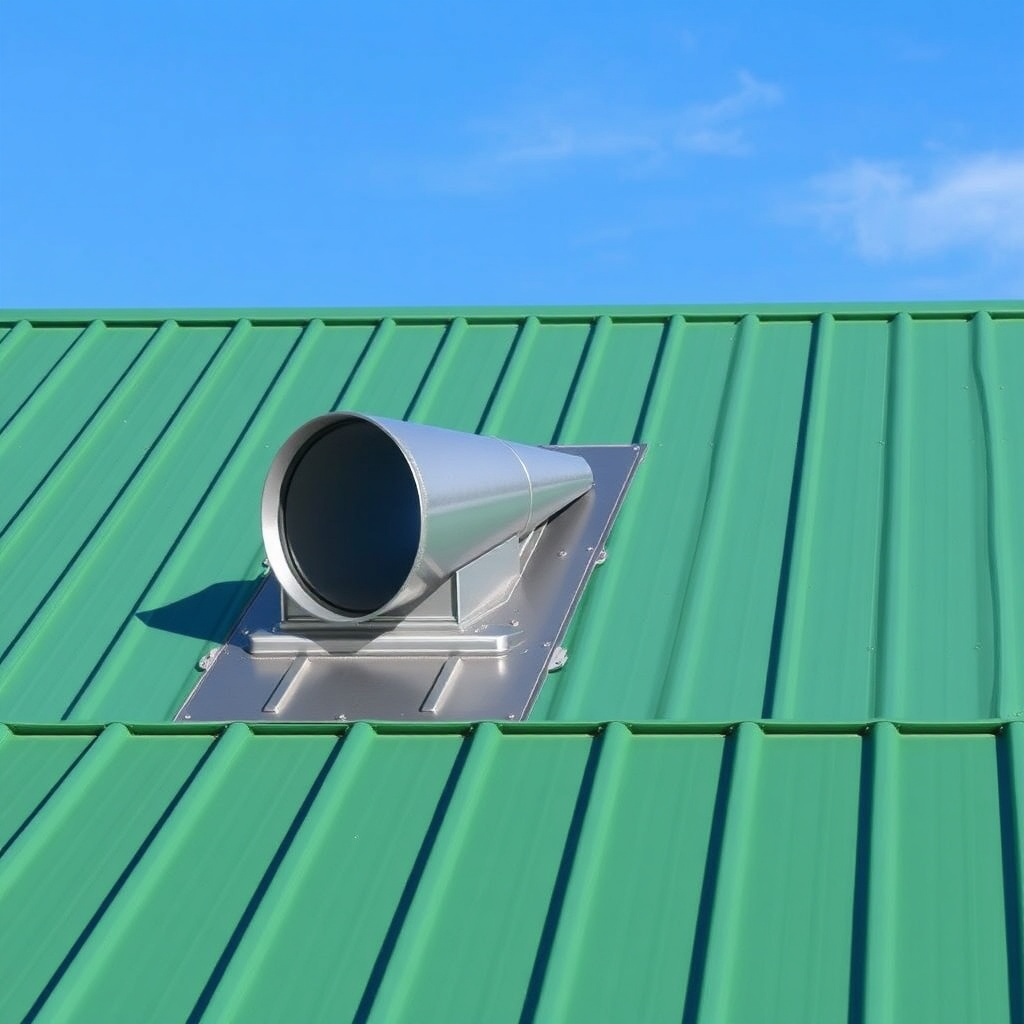
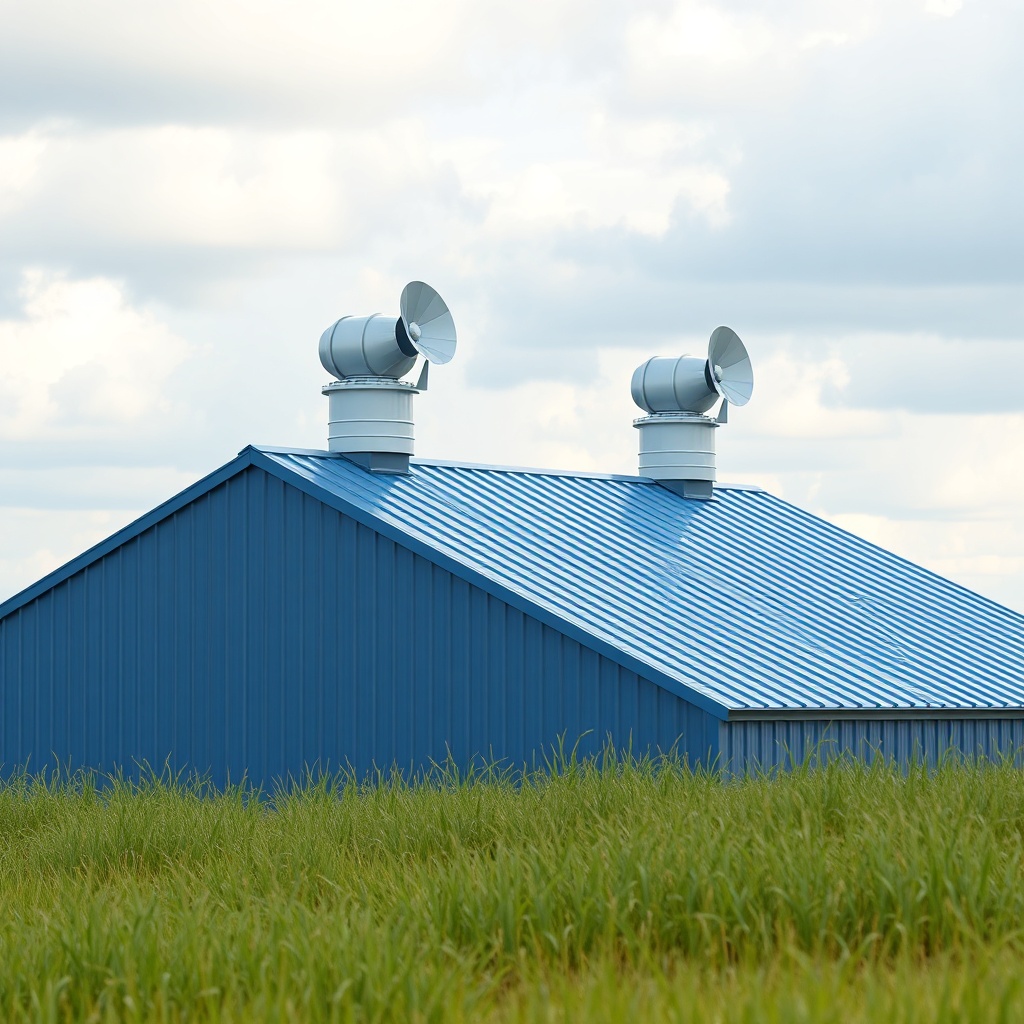
Turbine vents (whirlybirds) use rotating vanes to create a vacuum that pulls hot air out of the attic. A 12-inch diameter turbine typically provides 300–400 CFM at a 10 mph wind. For a 40×60 attic with an 8-foot sidewall, the total cavity volume is roughly 9,600 cubic feet (assuming a 4:12 pitch). A rule of thumb is one 12-inch turbine per 1,000 square feet of attic floor area, so a 40×60 would need 2–3 turbines. Each turbine requires a 12×12-inch roof opening with flashing—this creates potential leak points if not sealed properly.
Turbine vents can outperform ridge vents in dead-calm conditions because they rely on thermal buoyancy (stack effect) but they lose efficiency at low wind speeds. For a 40×60 building in a consistently windy area, turbines pull more air than a ridge vent of equivalent net free area. However, turbine bearings can fail after 5–10 years, and rotating vanes are more vulnerable to hail and ice damage. In snow-prone regions, turbines require periodic inspection for ice buildup that can lock the vanes. For a Wick Buildings 40×60 used as a heated workshop, turbines introduce a larger risk of condensation if the attic is not well-sealed from conditioned space.
Ridge Vent vs Turbine Vents for a 40×60: Performance Comparison Table
| Factor | Ridge Vent (Continuous, 60 ft) | Turbine Vents (3 x 12-inch) |
|---|---|---|
| Net free vent area | ~3.75 sq ft (1/8-in gap each side) | ~4.5 sq ft combined (depends on model) |
| Airflow at 5 mph wind | ~150 CFM minimal natural draft | ~2,400 CFM (rotational vacuum effect) |
| Airflow at 15 mph wind | ~400 CFM passive | ~7,000 CFM (high performance) |
| Climate suitability | Moderate, consistent wind areas | Windy zones, hot climates |
| Snow/ice resilience | Excellent (no moving parts) | Moderate (can jam with ice) |
| Maintenance requirements | Inspect seal every 2 years | Lubricate bearings annually, replace every 10 years |
| Cost (materials) | $450–$650 (vent + flashings) | $200–$350 per unit, total $600–$1,050 |
| Leak risk | Low (one continuous seam) | Moderate (three separate openings) |
| Noise | Silent | Low hum at high wind, squeak if bearings wear |
| Code compliance (IECC 2021) | Works with 1:300 ratio if paired with soffit vents | Works but need equal intake; often over-ventilates |
How Do Insulation and Vapor Barriers Affect Ventilation Choice?
If you plan to insulate your Wick Buildings 40×60 attic floor (ceiling), the vent system must handle moisture vapor that migrates upward. A ridge vent paired with a proper vapor barrier under the concrete slab and on the warm side of insulation helps control condensation. Ridge vents allow steady, low-volume air changes that keep attic humidity in check without over-drying the space. Turbine vents can create negative pressure that draws conditioned air out of the building through ceiling gaps—this wastes energy and can pull moisture from the living area into the attic.
For an uninsulated 40×60 pole barn used for equipment storage, the vent choice matters less for energy bills but still affects condensation on steel roof panels. A ridge vent with soffit intakes creates a natural thermal siphon that keeps roof panel surfaces closer to outdoor temperature, reducing condensation when warm, humid air enters. Turbine vents can be more aggressive but may create low-pressure zones that pull air from leaky doors or gravel base gaps. If you opt for a gravel base instead of a concrete slab, the vent system must compensate for more ground moisture entering the building—turbines may be less effective because they pull air from the entire lower perimeter.
What Owners Say About Ridge Vents vs Turbines on Their 40×60
Owners of Wick Buildings 40×60 structures in the Midwest and Great Plains report distinct preferences based on usage. One Iowa farmer with a 40×60 machine shed chose a 60-foot ridge vent after experiencing bearing failures on turbines within four years. He noted that the ridge vent keeps the attic 15–20°F cooler in July compared to previous turbines, though intake vents were critical—he added 6-inch soffit vents on both sides for balanced airflow. Another owner in Texas uses three 14-inch turbines on a 40×60 workshop and sees attic temperatures only 10°F above ambient on calm days, but he replaces bearings every two seasons.
Several owners emphasize that the vent system must be matched to the building’s air seal. If you installed blown-in insulation in the ceiling without a continuous vapor barrier, turbines can cause “stack effect” that draws fines (small fiberglass particles) into the living space. Ridge vents, with their slower airflow, reduce this risk. One owner with a heated 40×60 shop reported that adding a ridge vent dropped his propane heating costs by 12% in winter because the attic stayed drier and insulation performed better. Most agree: for a general-purpose 40×60 pole barn, ridge vents are more reliable, while turbines only excel in high-wind locations where you accept mechanical upkeep.
Frequently Asked Questions
- What’s the typical cost difference for ridge vent vs turbines on a 40×60?
Materials for a 60-foot ridge vent range $450–$650. Three 12-inch turbines cost $600–$1,050 plus flashing. Installation labor is similar—about 2–4 hours for either system. Ridge vents often win on total lifetime cost because turbines need bearing replacement every 5–10 years at $50–$100 per unit. - Can I install ridge vent and turbines together on the same 40×60 roof?
Yes, but it’s not recommended. Mixing types can create pressure imbalances. Turbines pull more strongly than a ridge vent, so the ridge vent may become an intake instead of exhaust—drawing rain in high winds. Stick with one passive strategy. - How do I know if my Wick Buildings 40×60 has enough intake vents?
For ridge vents, intake net free area should equal exhaust. So if your ridge vent provides 3.75 sq ft, you need 3.75 sq ft of soffit or eave vents. For turbines, total intake should be at least 150% of exhaust because turbines create stronger negative pressure. Measure soffit area and subtract any insect screening (reduces airflow by 30–50%). - Will ridge vents cause snow or rain to enter the attic?
Properly installed ridge vents have integrated baffles that deflect moisture. However, on a 40×60 with a low pitch (3:12 or less), heavy snow can block the vent opening during drifts. Choose a model with at least 1.5-inch tall baffles. In heavy snow regions, consider a “snow shield” or raise the vent 2 inches above the roof plane. - Do turbines work in zero wind for a 40×60?
Not effectively. Even with thermal buoyancy, a 12-inch turbine in calm air moves only about 50–100 CFM—insufficient for a 9,600-cubic-foot attic. Ridge vents rely purely on stack effect, which is also limited in calm air but often enough for code compliance because of the continuous opening. In dead-calm climates, consider an electric solar-powered fan as a supplemental solution. - How does ventilation affect the building’s foundation and slab?
Proper venting reduces condensation that can drip onto the slab, extending concrete life. If you used a vapor barrier under the slab, combined with ridge or turbine venting, you minimize moisture wicking. For gravel base buildings, ventilation becomes even more critical to keep ground moisture from saturating the building cavity. Ridge vents are generally preferred over turbines for gravel bases because they don’t create low-pressure zones that pull soil moisture up through the floor.