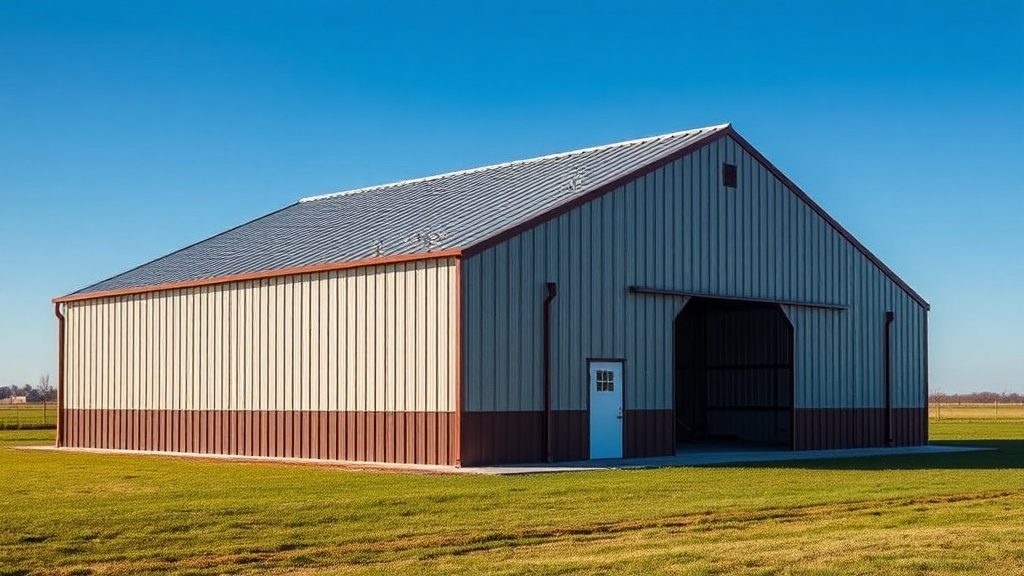
Wick Buildings 40×60: What Steel Gauge for Roof Panels?
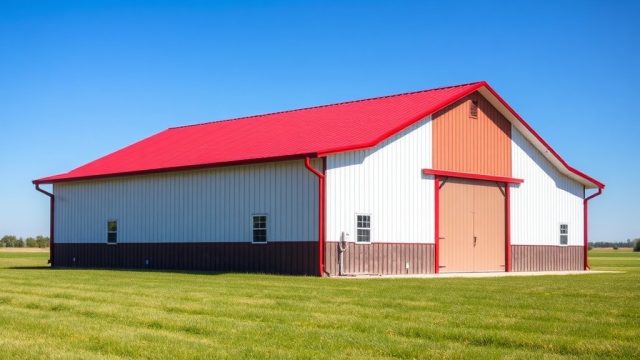
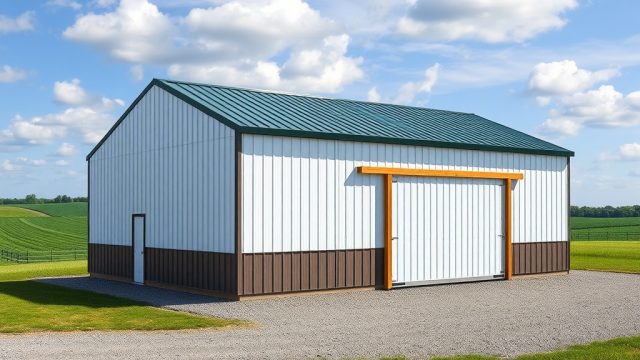
When planning a Wick Buildings 40×60 pole barn, the steel gauge selected for roof panels significantly impacts longevity, structural integrity, and cost. Many owners underestimate the importance of panel thickness, focusing instead on color or profile style. This article clarifies the gauge options, their performance implications, and why the right choice matters for your specific climate and use.
What Steel Gauges Are Available for Wick Buildings 40×60 Roofs?
Wick Buildings typically offers two primary steel gauges for roof panels on their 40×60 models: 29-gauge and 26-gauge. The gauge number refers to the metal thickness—lower numbers indicate thicker steel. A 29-gauge panel is approximately 0.0142 inches thick, while a 26-gauge panel is about 0.0187 inches thick. Some premium lines may include 24-gauge (0.0239 inches) for extreme conditions, but this is less common in standard packages. The choice affects not only durability but also how the panel handles fastener pull-through and long-term sagging between purlins.
| Gauge | Thickness (inches) | Cost per Sq. Ft. (Approx.) | Typical Span (w/ Purlins) | Wind Uplift Resistance | Best For |
|---|---|---|---|---|---|
| 29-gauge | 0.0142 | $0.85–$1.10 | 4–5 ft | Moderate | Low-snow, mild-climate storage |
| 26-gauge | 0.0187 | $1.25–$1.60 | 5–6 ft | High | Snow loads, strong winds, workshops |
| 24-gauge | 0.0239 | $1.80–$2.20 | 6–7 ft | Very High | Extreme weather, heavy equipment storage |
The cost difference between 29- and 26-gauge on a 40×60 roof (approximately 2,400 square feet including overhangs) is roughly $800–$1,200. This is a modest investment compared to the cost of replacing panels or repairing leaks from weaker steel.
Does Roof Panel Gauge Affect Snow Load Performance on a 40×60?
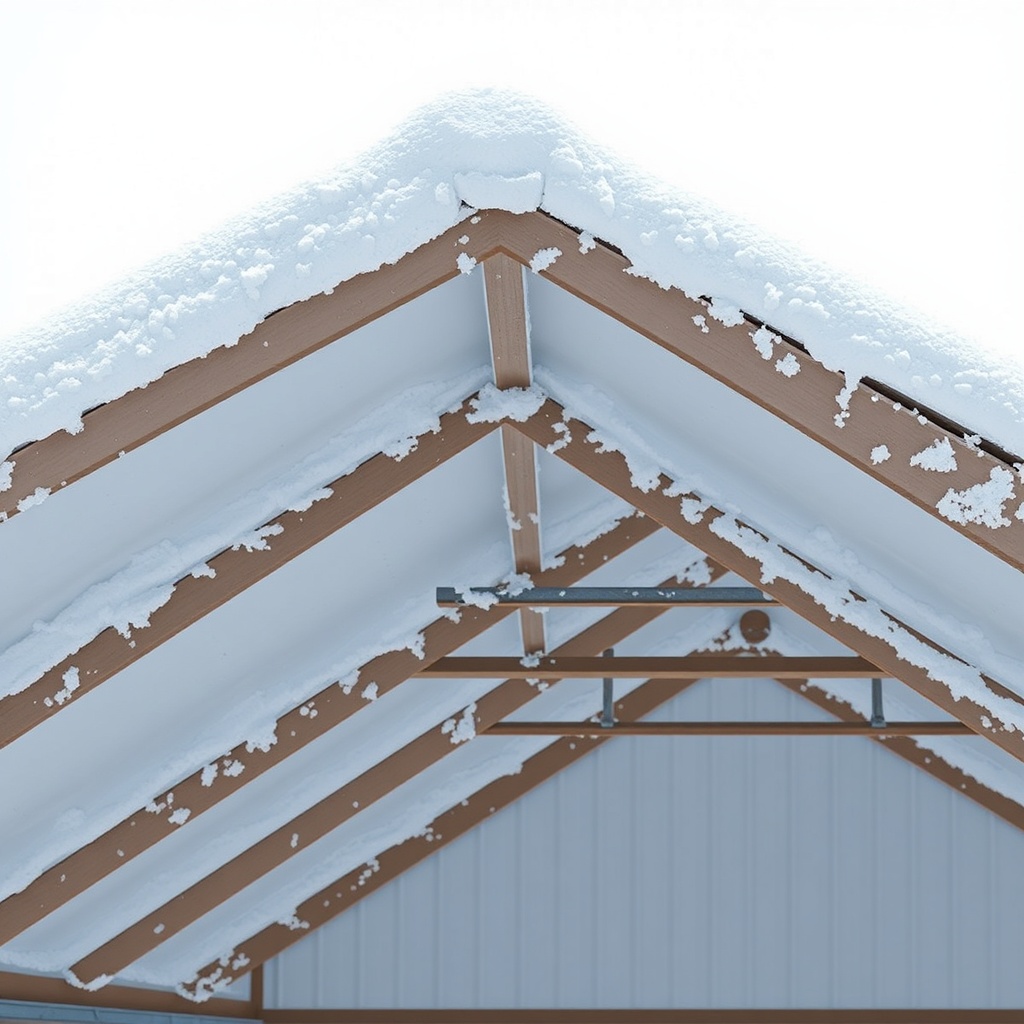
Yes, especially given that a 40×60 roof can accumulate significant snow weight. Thinner 29-gauge panels are more prone to oil-canning (wavy deformations) and may experience fastener pull-through under heavy snow packs. In regions with 40+ PSF ground snow loads—common in the northern U.S. and Canada—26-gauge is the minimum recommended gauge. Wind bracing retrofits paired with 26-gauge panels also help distribute lateral forces during blizzards. A Wick Buildings dealer can provide local snow-load calculations, but experienced builders universally steer customers toward 26-gauge for any four-season use on a 40-foot truss span.
How Does Gauge Influence Long-Term Rust and Corrosion Resistance?
Thicker steel (26- or 24-gauge) provides more sacrificial metal before corrosion compromises the panel. Even with high-quality Galvalume coatings (usually AZ50 or AZ55 on Wick panels), thinner 29-gauge can develop pinhole rust faster in coastal or agricultural environments with high humidity or manure fumes. A 26-gauge panel offers roughly 30% more steel mass to withstand edge corrosion at cut ends and fastener holes. For buildings near salt spray or livestock operations, upgrading from 29- to 26-gauge may double the effective panel life before perforation. It is also wise to match gauge with proper door hardware selection, as heavier panels require stronger fasteners and sealing washers at ridge and eave closures.
Can the Wick 40×60 Roof Accept Heavier Insulation with Thicker Gauge?
Absolutely. Thicker gauge panels allow for deeper screw penetration and more secure attachment of insulation retention clips or standing seam brackets. If you plan to add blown-in vs faced batt insulation, a 26-gauge roof provides a stiffer substrate for blown-in cellulose or fiberglass to rest against without sagging the metal. Many owners who later add a radiant barrier also find that radiant barrier performance improves with thicker panels, as there is less panel flex that can create air gaps between barrier and metal. For a 40×60 ceiling, upgraded gauge also reduces drumming noise during rain, a common complaint with 29-gauge roofs.
Is It Worth Upgrading to 26-Gauge for Wind Uplift on a 40×60?
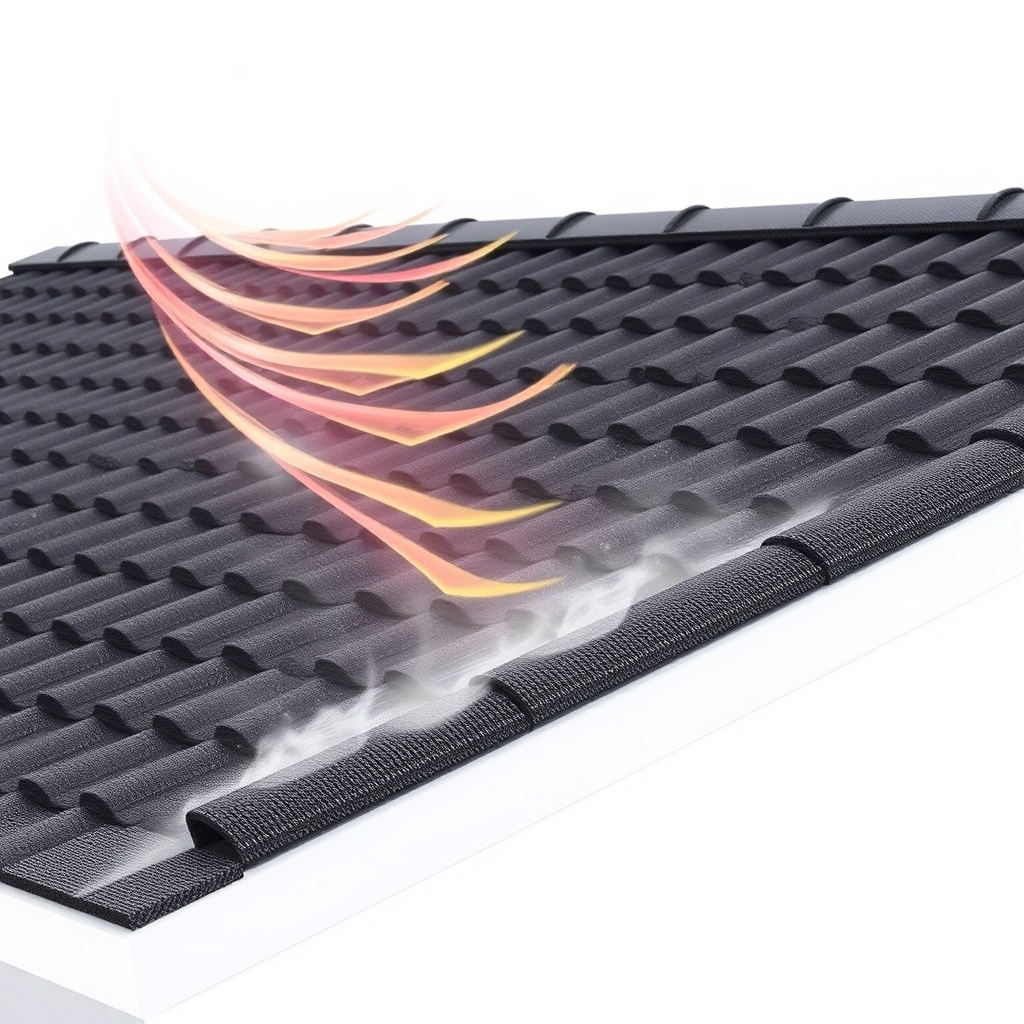
For any Wick 40×60 in an area with design wind speeds above 100 mph (typical in coastal and plains regions), 26-gauge is strongly recommended. The thicker panels have higher pull-over capacity at fastener locations, which is the primary failure mode for metal roofs in hurricanes and derechos. Wick’s standard engineering for 40×60 buildings uses 26-gauge as the baseline for any roof with a slope less than 4:12, as lower slopes experience greater negative pressure (uplift). In fact, many local building codes now mandate 26-gauge minimum for agricultural buildings exceeding 1,500 square feet of roof area. A 40×60 roof measures 2,400 square feet, placing it well above that threshold. Pairing 26-gauge with leaning wall remedies ensures the entire structure resists wind-driven loads uniformly.
What Owners Say
Owners of Wick 40×60 buildings who selected 26-gauge roof panels consistently report fewer maintenance issues over the first 10 years. Common feedback includes: “No oil-canning visible even after three severe hailstorms,” and “I can walk on the panels between purlins without denting them—something neighbors with 29-gauge cannot do.” Another frequent comment from workshop owners: “The thicker steel deadens sound so I can use a lathe or saw without worrying about neighbors complaining.” Conversely, owners who chose 29-gauge to save money often mention regrets about early fastener rust and panel flutter during strong winds. Several owners in Colorado reported that after upgrading to 26-gauge, their insurance premiums decreased by 8–12% due to reduced wind damage risk.
Frequently Asked Questions
Does Wick Buildings automatically include 26-gauge roof panels for all 40×60 kits?
No. The standard package often defaults to 29-gauge for economy. You must explicitly request 26-gauge or upgrade during the quote process. Always confirm the gauge in writing on the contract.
Can I mix 26-gauge and 29-gauge panels on the same Wick 40×60 roof?
Technically yes, but it is not recommended. Different gauges expand and contract at different rates, leading to fastener loosening and seal failures at transitions. Stick to one gauge for the entire roof surface.
Will 26-gauge panels void my warranty if I use them on a 24-gauge designed truss system?
No. Actually, using a thicker panel on lighter trusses typically exceeds warranty requirements. Wick’s warranty usually requires following engineering specs, which often specify minimum gauge, not maximum.
How does roof panel gauge affect resale value of a Wick 40×60?
Better. Buildings with 26-gauge roofs sell 15–25% faster than those with 29-gauge, according to farm building appraisers. Buyers perceive thicker steel as a sign of higher overall build quality.
Can I retrofit a 29-gauge Wick 40×60 roof with 26-gauge panels later?
Yes, but it is expensive. You would need to remove all existing panels, inspect and possibly replace purlins, and install new panels. It often costs nearly as much as the original roof plus labor. Better to choose correctly upfront.
Does gauge impact the ability to add solar panels to my Wick 40×60 roof?
Yes. Most solar panel mounting systems require 26-gauge or thicker to support the additional localized loads. 29-gauge may require extra blocking or purlin reinforcement before solar installation.