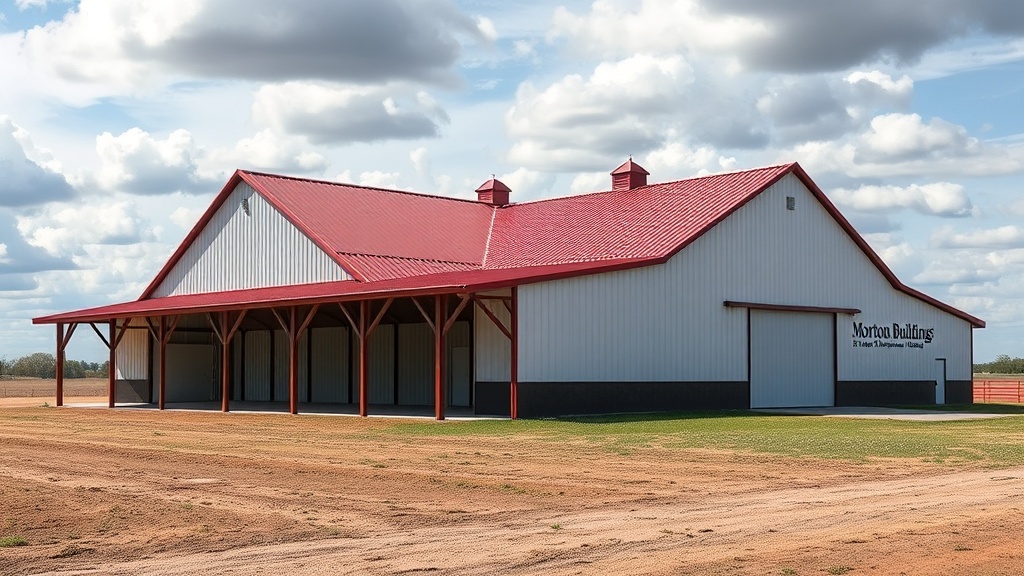
Why Does the Morton Buildings 50×80 Need Wind Bracing?
A Morton Buildings 50×80 pole barn, spanning 4,000 square feet, presents a large surface area to wind loads. Without proper wind bracing, the structure can experience racking—a diagonal distortion that stresses post-to-truss connections and foundation points. Over time, this leads to sagging roofs, misaligned doors, and potential collapse during severe storms.
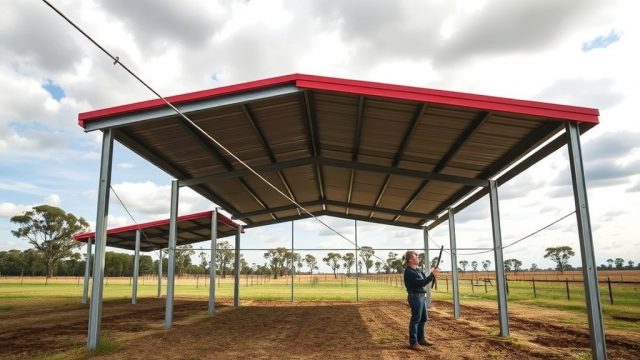
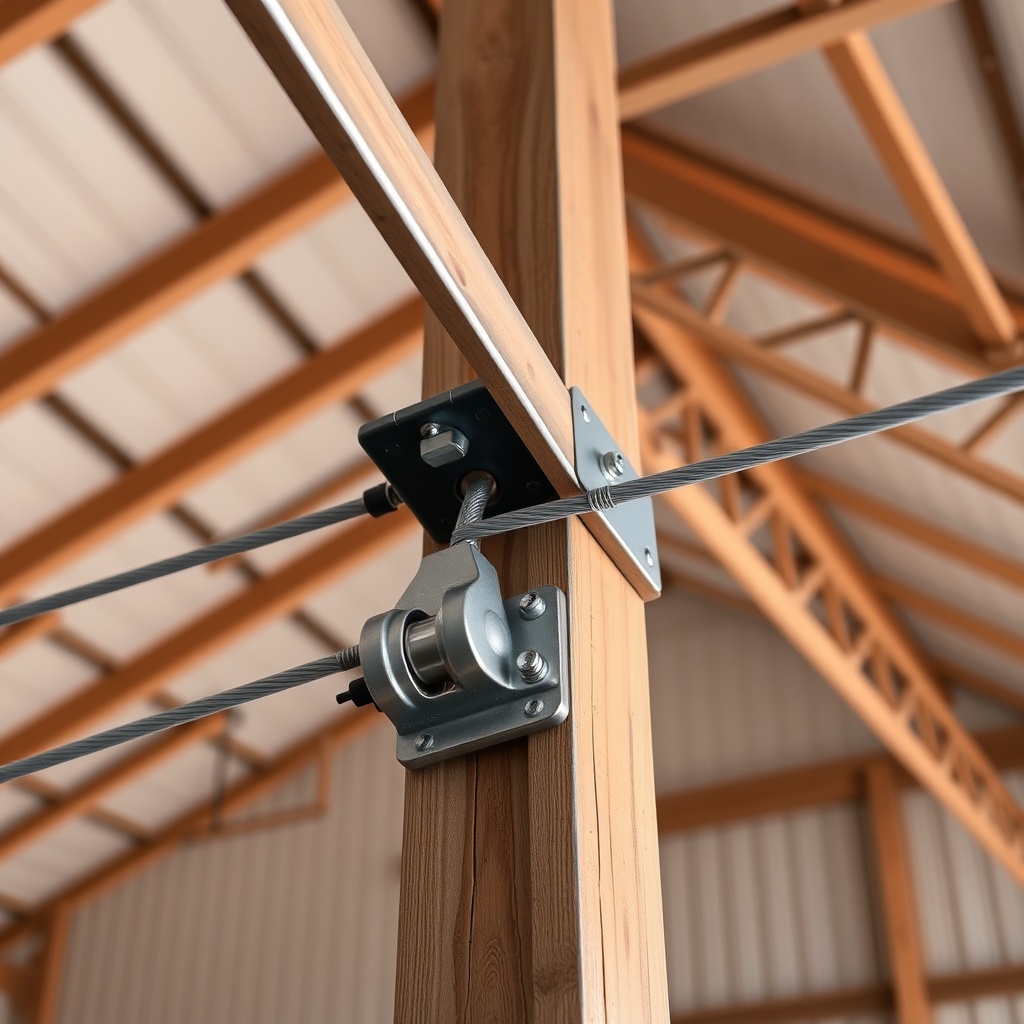
Wind bracing, typically installed as diagonal cables or rods, transfers lateral forces from the roof and walls to the ground. In older Morton Buildings 50×80 post-frame structures, original bracing may have been undersized for local code updates or degraded due to corrosion. Retrofitting with modern cable or rod systems restores structural integrity, often at a fraction of replacement cost.
How Can I Tell If My Morton Buildings 50×80 Wind Bracing Is Failing?
Visual signs of inadequate or failing wind bracing include: gaps between wall girts and posts, doors that bind or fail to latch, visible sag in the roofline, or cracks in concrete near post bases. Interior inspection may reveal loose or broken cable strands, corroded turnbuckles, or missing bolts at truss end connections.
A simple field test: during moderate wind (above 20 mph), observe the building from a distance. If the sidewall or gable end shifts perceptibly, the bracing system is compromised. Another indicator is diagonal truss members that no longer remain under tension—a condition that often precedes catastrophic failure.
Check your building’s original specifications. Morton Buildings typically installs wind bracing per code at the time of construction, but many pre-2000 structures lack the bracing required by current International Building Code (IBC) standards, especially in high-wind zones.
Which Retrofit Kit Is Best: Cable or Rod?
| Bracing Type | Material | Tension Adjustment | Estimated Material Cost (CAD per bay) | Installation Difficulty | Best Application |
|---|---|---|---|---|---|
| Cable (7×19 galvanized) | Steel wire rope | Turnbuckle or come-along | $80–$150 | Moderate; requires cable cutters and clamps | Interior bays, clear-span roofs |
| Solid Rod (3/8″ or 7/16″) | Steel rebar or threaded rod | Threaded clevis or turnbuckle | $60–$120 | Easy; hand-tightening with tools | Exposed applications, post-to-post |
Cable bracing offers flexibility in tensioning and is less likely to rattle in wind, but requires careful termination to avoid fraying. Rod bracing is simpler to install and inspect, though it may loosen over time if not properly torqued. For a Morton Buildings 50×80, many contractors recommend 3/8″ galvanized cable with forged turnbuckles for sidewall bays, and 7/16″ rods for gable-end frames where visual integrity matters.
Whichever option is chosen, ensure all hardware is hot-dipped galvanized or stainless steel to resist rust in the barn’s often humid environment. Local building codes may dictate minimum tensile strength—typically 2,000 pounds per brace point for a structure of this size.
What Are the Steps to Retrofitting Wind Bracing on a Morton Buildings 50×80?
Retrofitting wind bracing should follow a systematic approach. First, assess the existing bracing layout. A standard Morton 50×80 has trusses spaced at 4 to 8 feet; wind bracing is usually installed in every third or fourth bay in the direction of prevailing wind.
Steps for cable retrofit:
- Inspect existing connections: Remove old or damaged bolts; clean contact areas with a wire brush.
- Install anchor brackets: Bolt heavy-duty steel gusset plates to the top of posts and bottom chord of trusses. Use grade 5 bolts (1/2″ minimum).
- Run cable diagonally: From the top of one post to the bottom of the adjacent post, forming an X pattern in each braced bay. Maintain a 30- to 45-degree angle from horizontal.
- Apply tension: Use a turnbuckle at the midpoint of each cable; tighten until the cable has a clear, uniform pitch when tapped. Avoid over-tensioning—strain should be under 30% of cable breaking strength.
- Secure and test: Install cable clamps or swage fittings per manufacturer instructions. Conduct a wind load test by shimming a 1/4″ gap at a joint and reapplying tension until the gap closes.
For rod bracing, the process is similar, but using threaded rod and clevis connectors instead of cable. Holes must be pre-drilled with a 1/16″ oversize tolerance to allow for adjustment.
Always consult a structural engineer if the building has existing damage or if local wind speeds exceed 120 mph. For foundational considerations, refer to our article on Morton 50×80 Foundation: Recommended Concrete Footing Depth.
What Do Owners of Morton 50×80 Buildings Say About Wind Bracing Retrofits?
Many owners report a noticeable improvement in building rigidity after retrofitting wind bracing. One farmer in southern Ontario described his Morton 50×80 as “rock solid” during a derecho that felled nearby trees—after adding two X-brace cables per sidewall. Another owner noted that door operation became smooth where it had previously “chattered” in crosswinds.
However, some mention the learning curve: “I thought cable would be simple, but getting even tension across all braces took two weekends,” said a Manitoba contractor. A common tip among owners is to tension all cables during a calm day and recheck after one month. Several recommend using a cable tension meter to achieve consistency, bypassing guesswork.
For those concerned about roof integrity, see Troubleshooting Snow Load on Morton 50×80 Roof: Sagging Prevention. Owners also highlight compatibility with insulation choices, as wind bracing can interfere with vapor barriers; refer to Insulating a Morton 50×80 Pole Barn: Spray Foam vs Fiberglass Batt.
Frequently Asked Questions
Q: Can I retrofit wind bracing on a Morton 50×80 myself?
A: Yes, if you have basic construction skills and tools. Cable retorfit is DIY-friendly with attention to safety and code. However, for any structural alteration, verify with local permits.
Q: How much does a wind bracing retrofit cost for a 50×80?
A: Material costs range from $400 to $800 CAD for a basic cable kit covering four bays. Professional installation adds $1,500–$2,500 CAD depending on accessibility and existing conditions.
Q: Is cable or rod better for high wind zones?
A: Both are effective when properly tensioned. Cable has slightly higher flexibility, reducing shock loads; rod maintains rigidity better for uninterrupted spans. Many engineers prefer cable for pole barns.
Q: Will wind bracing affect my roof or door installation?
A: Minimal impact. Braces run between posts and trusses, typically clear of overhead doors and windows. For optimal door staging, see Morton 50×80: Choosing the Right Overhead Door Size and Style.
Q: How often should I inspect wind bracing?
A: At least annually, especially after heavy storms. Check for loose turnbuckles, corrosion, and bent components. Cable wear at termination points is common.
Q: Can I combine wind bracing with a post-in-ground foundation?
A: Yes, but bracing must be designed to transfer forces to the embedment. For detailed analysis, see Morton Buildings 50×80: Pressure-Treated Skids vs Post-in-Ground Foundation.
Q: Does a Morton 50×80 require wind bracing in every bay?
A: Not necessarily. Codes typically require bracing at every third bay along each wall, plus at gable ends. Consult a professional for your specific site.
Q: What if my building has a standing seam roof?
A: Standing seam roofs are inherently stiffer but still need proper bracing. See Morton 50×80: Standing Seam vs Corrugated Roofing Which Is Better? for comparative performance.